Sunday, August 24, 2008

Veronika, UNESCO Arkhangelsk Project

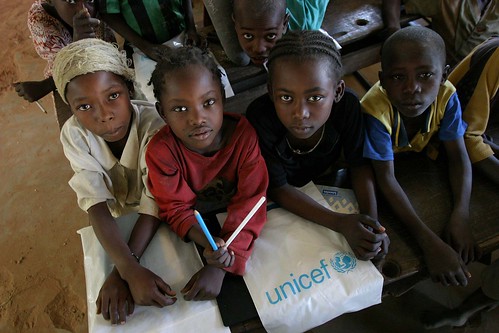
My name is Veronika, and I’m 9 years old. I live in Krasnoborsk with my babouchka (grandmother), Maria Alexandrovna Iourileva. When I was born, my mother was very young.

She was 16 and didn’t know how to look after me. She left when I was 5 months old, and I stayed alone with my father. He didn’t know how to look after me either, he’s an alcoholic. Then, it was my father’s mother who took me in. She has a small pension (2.700 rubles a month, around 100 US$) as she worked for 38 years in an orphanage. She had a very tough life. She is ashamed of her daughter, and she left her husband as he was an alcoholic too. She never would have thought that her family could be this unhappy.

In my grandmother’s small house, she’s 57 years old, there is also my great grandmother who is 86 and very ill. My grandmother is very kind and gives me all that she can. With the UNESCO project, I go to the arts and crafts section of the cultural center three times a week, and I take part in all activities like skiing and theater.

My grandmother has a very beautiful voice. She sings in the veterans’ choir. She says that singing, and I think so too, helps us survive and keep hope. She encourages me in everything, she is proud of my successes and she gives me a lot of love.

Saturday, August 23, 2008

International Literacy Day


Literacy is a cause for celebration since there are now close to four billion literate people in the world. However, literacy for all – children, youth and adults - is still an unaccomplished goal and an ever moving target. A combination of ambitious goals, insufficient and parallel efforts, inadequate resources and strategies, and continued underestimation of the magnitude and complexity of the task accounts for this unmet goal. Lessons learnt over recent decades show that meeting the goal of universal literacy calls not only for more effective efforts but also for renewed political will and for doing things differently at all levels - locally, nationally and internationally.

First Lady Laura Bush is UNESCO's
Honorary Ambassador for the Decade of Literacy. Her designation came in recognition of her dedication to learning and the promotion of reading, her commitment to universal education and literacy, her work on behalf of libraries and the sharing of knowledge, and her outstanding efforts in support of teachers and the teaching profession.

UNESCO Literacy websites

Friday, August 22, 2008

The International Day of Peace


The United Nations' International Day of Peace - marked every year on September 21 - is a global holiday when individuals, communities, nations and governments highlight efforts to end conflict and promote peace.

We the World, a non-governmental organization, provides a website with more than 700 associated events celebrating peace efforts during an eleven day period from September 11 to September 21, in support of the United Nations event.

“Since wars begin in the minds of men, it is in the minds of men

that the defences of peace must be constructed.”

The UNESCO Constitution

UNESCO was created in the aftermath of World War II as an integral part of the United Nations peace keeping system. UNESCO's function was the long-term effort to build the defenses of peace in the minds of men through the promotion of education, science and culture. The promotion of peace has always been central to its program.

Promotion of the Culture of Peace is one of UNESCO's special themes, cross cutting all of its sectoral programs. Among its actions are a number of prizes recognizing efforts to promote peace:

This prize, awarded biennially, supports activities designed to increase awareness and mobilize consciences in the cause of peace.
The Prize, established in 1989, is intended to honor living individuals, and active public or private bodies or institutions that have made a significant contribution to promoting, seeking, safeguarding or maintaining peace.
The UNESCO Cities for Peace Prize pays tribute to the initiatives of municipalities which have succeeded in strengthening social cohesion, improving living conditions in disadvantaged neighbourhoods and developing genuine urban harmony.
A New UNESCO Publication

The International Peace Commission, which grew out ot the Houphouet-Boigny Peace Prize process, held its first meeting in UNESCO Headquarters, hosted by the Secretary General. The International Commission for Peace Research also grew out of the Houphouet-Boigny Peace Prize.

The book Water and Peace for the People will be launched on 11 September at 6 p.m. at UNESCO Headquarters.
What if the countries in the Middle East had no choice but to get along in order to share the region’s meagre water resources? This is the starting premise of Jon Martin Trondalen’s book “Water and Peace for the People”, which will be launched on 11 September at UNESCO.

In an international climate of tension, conflicts related to water in the Middle East are more than ever in deadlock. “Water and Peace for the People”, released by UNESCO Publishing, offers a practical guide that suggests concrete ways to resolve these crises.

© Jon Martin Trondalen
Culvert for an irrigation from the
Euphrates River, South of Bagdad

Wednesday, August 20, 2008

Mondialogo School Contest Finalists

Reuters reports:
50 schools at the final of the Mondialogo School Contest in Beijing - among them U.S. students from Allison Park (Pennsylvania), Lewisburg (West Virginia) and Land O'Lakes (Wisconsin)
The three U.S. finalists are the A. W. Beattie Career Center, the Greenbrier East and the Conserve School.

The contest, initiated by Daimler and UNESCO in 2003, seeks to encourage dialog between school students of different cultural origins, by rewarding the best work on international and intercontinental joint projects: examples include musical works, plays, collages, photographic documentation, sculptures or Internet pages. Through the intercultural project work, school students are intended to develop understanding, tolerance and respect for people with different cultures, religions, languages and origins. This year 2,740 school teams with a total of 36,000 school students between the ages of 14 and 18 from 144 countries took part.

UNESCO's Programs for Children in Need


You can contribute to UNESCO's Programs for Children in Need!

Click here to learn how!

UNESCO created the Program for the Education of Children in Need in 1992 to offer a future to vulnerable children through education. Since its creation, over US$33 million has been raised in private funds and these have been fully and directly invested into immediate support for over 332 projects in 92 countries worldwide.
Street children
According to UN sources there are up to 150 million street children in the world today. Chased from home by violence, drug and alcohol abuse, the death of a parent, family breakdown, war, natural disaster or simply socio-economic collapse, many destitute children are forced to eke out a living on the streets, scavenging, begging, hawking in the slums and polluted cities of the developing world.
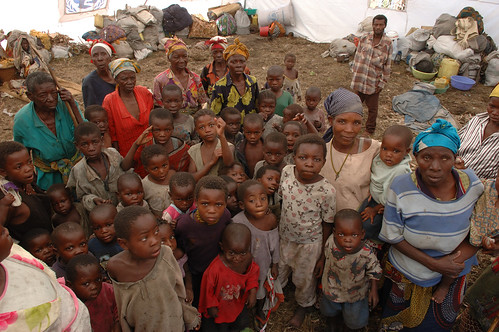
Children victims of war and natural disasters
Over the last decade alone, armed conflict has claimed the lives of over 2 million children. Another six million have been left wounded or disabled for life. One million have become orphans. It is estimated today that more than 300,000 children have been enrolled in militia groups and armies and been forced to carry a gun. Half of those they kill are other children. Whether it is in Afghanistan, Iraq or in conflict-ridden areas of Africa, UNESCO has played a vital role in providing education and relief. The first to suffer from a lack of sanitation, infrastructure and order after a catastrophe are the most vulnerable: children. Outbreaks of disease following natural disasters hit children the hardest. UNESCO’s Program for the Education of Children in Need seeks to be on hand to offer relief and reconstruction expertise.
Children with special needs
Despite governments signing up to many a convention and seemingly supporting international guidelines on children with special needs, prejudices and exclusion still form part of everyday life for many children with special needs around the world. Since 1992, ther projects for children with special needs have been carried out in the following countries: Belarus, Bosnia and Herzegovina, Cuba, Egypt, India, PDR Lao, Mexico, Morocco, Russia, Uganda, Vietnam.
Working children
Child labor is probably the single biggest obstacle to giving every child an education. The International Labor Office estimates the number of working children, aged 5 to 17, to be around 250 million. Many of these children come from impoverished rural families who have to employ every member to survive; others still work in dire situations of systematic exploitation in sweatshops and factories. Exposed to hazardous materials, working in servitude, many of these young laborers die an early death. The most destructive of child ‘work’ is prostitution. Around 2 million children fall within this area of employment worldwide. In Asia alone, perhaps more than 1 million minors, of both sexes, work in bars and brothels. Before long they are caught up in the deadly cycle of substance abuse and HIV infection.
For an overview of current UNESCO projects for children in need, select a region from the list below:

Tuesday, August 19, 2008

A Conversation With Nina V. Fedoroff

The New York Times has published an interview with Nina Fedoroff, science adviser to the secretary of state and to the administrator of the Agency for International Development. I quote:
Q. WHY DOES THE SECRETARY OF STATE NEED A SCIENCE ADVISER?

A. Because science and technology are the drivers of the 21st century’s most successful economies.

There are more than six billion of us, and the problems of a crowded planet are everyone’s: food, water, energy, climate change, environmental degradation. Other nations, even those that have lost respect for our culture and politics, still welcome collaboration on scientific and technological issues.

Aksum Obelisk successfully repatriated and reinstalled

The third and last block of the Aksum Obelisk was successfully mounted by the UNESCO teams at the end of July in its original location in Ethiopia. The monument’s reinstallation was greeted with joy by the local people, who spontaneously organized musical concerts yesterday at the site.

Weighing 150 tons and 24 meters high, the obelisk is the second largest stela on the Aksum World Heritage site in northern Ethiopia, close to the border with Eritrea. Transported to Rome by the troops of Mussolini in 1937, it was returned in April 2005 by the Italian government. Its dismantling in Rome, transport and reinstallation were funded by the Italian government.

Monday, August 18, 2008

200th Anniversary of the Abolition of the Slave Trade


August 23rd is the day marked by UNESCO to commemorate the abolition of the transatlantic slave trade. On March 2, 1807, the U.S. Congress approved an act to abolish the importation of slaves effective January 1, 1808. Thus, this year marks the 200th anniversary of that event.

Here are a number of useful resources available related to the anniversary celebration:

Friday, August 15, 2008

UNESCO CultureLink Network

The Network's aim is "to strengthen communication among its members, encouraging international and intercultural communication and collaboration. The Culturelink Network's long-term objective is the development of a world-wide information system for the study of cultural development and cooperation."

The CultureLink Website
contains resources that emphasize the connections between culture and the broader aims of human endeavor that have been part of UNESCO's core constitutional mandate of "advancing, through the educational, scientific and cultural relations of the peoples of the world, the objectives of peace and the common welfare of mankind."

" The fight against doping; More than tactical success"

The International Herald Tribune suggests that the 2005 UNESCO Convention Against Doping in Sport may pay off with fewer abuses in these Olympic Games.
Before the 2005 convention, only members of sports organizations were held accountable or penalized for their actions. Now, all athlete support personnel, including coaches, trainers, managers, team support staff, agents, administrators, officials and medical or paramedical practitioners are open to scrutiny, as are those who manufacture or supply drugs to athletes.

Today, the convention encourages all countries to evenly apply antidoping laws and regulations and ensure the implementation of the World Anti-Doping code by all sports organizations. But while countries have rapidly ratified the convention, they need to move much faster to implement it.

Wednesday, August 06, 2008

United States ratifies International Convention against Doping in Sport

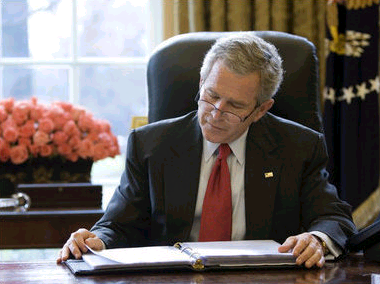
On 4 August, President George Bush signed the instrument of ratification of UNESCO’s International Convention against Doping in Sport, following its approval on 22 July by the US Senate. More than 90 countries have now ratified the Convention.

Latin America and the Caribbean: diversity, creativity and dialog

Latin America "resonates with varied forms of creativity, which constitutes what is perhaps its most common characteristic. In this way, this region has given rise to the notion of a culture rooted in diversity and renewal." Check out this material about UNESCO's Culture Program activities in the region:

Tuesday, August 05, 2008

Rattus Holmes and Felis Watson


As of Monday, visitors to the UNESCO Social and Human Sciences Program website* are able to find the weekly installment of an comic-strip adventure featuring Rattus Holmes and Felis Watson, detective heroes against doping in sport.

Entitled “The Case of the Spoilsports”, the comic strip dramatizes UNESCO’s anti-doping role and explores the importance of the International Convention against Doping in Sport, adopted by UNESCO’s member states in 2005.

In five chapters published weekly, the story the comic strip will trace how twin athletes react differently to the pressures of competitive sport.

Monday, August 04, 2008

Job: Director of the Division for Education Strategies and Capacity Building

Under the overall authority of the Assistant Director-General for Education (ADG/ED), the incumbent will lead the development and implementation of the programme of the Division and ensure that technical backstopping is provided to UNESCO Field Offices in implementing the Division’s programme and activities aiming at Member States' capacity to develop and implement educational
strategies and priorities, and enhance education systems management and governance.

Location: Paris
Deadline for Applications: 5 September 2008

Job: Chief of ICT in Education, Science and Culture Section

Duty station; Paris, France
Grade: P-5
Post number: CI-004
Closing date: 4 September 2008
Main responsibilities:
Under the overall authority of the Assistant Director-General for Communication and Information (ADG/CI) and the direct supervision of the Director of Information Society Division, the incumbent is responsible for the planning, implementation and evaluation of the strategy, regular program activities, and extrabudgetary projects of the Section. Working within the frameworks of UNESCO's Medium-Term Strategy (C/4s) and global developments plans, especially the Plan of Action adopted by the World Summit on the Information Society, the incumbent will be responsible for the following duties:
  1. Provide intellectual, strategic and operational leadership of the Section by: (a) driving the preparation of strategies and the biennial programs and budgets; (b) guiding the conceptualizing, designing and implementation phase of the Section’s activities; (c) providing expert advice to internal and external stakeholders; (d) driving the multistakeholder cooperation and outreach of the Section through fostering contacts and joint projects with representatives ofMember States, UNESCO’s Intergovernmental bodies and civil society; (e) establishing and managing private sector partnerships.
  2. Ensure the management of the staff of the Section by: motivating staff and providing mentoring; ensuring appropriate distribution of tasks; monitoring of timely and appropriate implementation of program and projects; establishing internal guidelines and procedures; ensuring quality and timely inputs of the Section to reports; establishing information and knowledge management procedures of the Section; monitoring and evaluating the performance of staff.
  3. Plan and execute regular programme and extra-budgetary activities by: providing strategic advice in the use of ICTs in education, science and culture for Member States; recording and sharing information, knowledge and best practices; planning and executing projects of strategic nature in Member States; providing backstopping support to Advisers for Communication and Information in Field Offices.

Global Aids forum opens in Mexico

A global conference on HIV/Aids has opened in Mexico City, a quarter of a century after the disease first became widely known.

According to BBC News, "the number of people with the condition around the world has gone down slightly overall. However, infection rates are still rising in some countries and access to the right treatment is also an issue. Across the world 33 million people are affected by the syndrome."

UNESCO will be involved throughout the conference in presenting sessions and activities to share new research and best practices on the global response to HIV and AIDS through education.

Read more about

Sunday, August 03, 2008

The NatCom Newsletter is Out

The U.S. National Commission for UNESCO Update, Volume 4, Issue 1 Winter/Spring 2008 has recently been published.

In This Issue:

Americans Still Underrepresented on UNESCO Staff

These data provided by the State Department indicate that there are still too few Americans on the staff of UNESCO. As a result, Americans have unusual opportunities to join UNESCO, and will enjoy unusual support of their government in efforts to do so.

UNESCO uses a formula to balance staffing from its member nations. According to the formula, a minimum of 46 and maximum of 76 U.S. citizens should work for UNESCO. The targeted date to meet the minimum employee level is 2010. Two important avenues to increase employment of American citizens in UNESCO are:
  1. The Young Professional Program –YPP (for under represented states)
  2. The Associate Expert Program - extrabudgetarily funded

2008 U.S. National Commission for UNESCO Annual Meeting

The minutes of the May meeting of the U.S. National Commission for UNESCO have been published online. The summary of the meeting includes those who attended, matters discussed, and conclusions reached.

The minutes are available in PDF format. To view the PDF file, you will need to download, at no cost, the Adobe Acrobat Reader.

-- 07/03/08 Meeting Minutes

Alexander Zemek new Executive Director of the NatCom

Alex Zemek has been officially appointed Executive Director of the U.S. National Commission for UNESCO.

In September 2004, Alexander Zemek began service as Deputy Executive-Director of the National Commission. Before joining the State Department, he worked for the Department of Defense 2002-2004, where he helped with cabinet affairs, with the startup and management of the Defense Business Board, an advisory council of private sector senior executives created by Secretary Rumsfeld, and
with managing and staffing the Department's 63 federal advisory boards and commissions. During his last year in Defense, he served in Iraq with the Coalition Provisional Authority as both Special Assistant to Ambassador L. Paul Bremer III and interim Director of Personnel.

He joined the government after some years in the private sector, where he worked as a securities trader for Heartland Securities Corporation. He also taught high school in his hometown of Tolland, Connecticut.

He holds an honors degree in history from Yale University, where he captained the cross country team, and a graduate certificate in national security studies from the National Defense University. As a photographer, he has held many gallery shows, for example an exhibit in Connecticut highlighting his life in a small village in Kenya in 1998. He maintains his distance running and is an avid traveler who has visited 45 of the 50 US states and 35 foreign countries. He
lives in Arlington, Virginia.

Larry Seaquist's New Website


Larry Seaquist, long time member of the Americans for UNESCO Board of Directors, has created a new website in his quest for reelection to the Washington legislature.

Saturday, August 02, 2008

ICTs in Education Prize: call for nominations


“Digital Opportunities for All: Preparing Students for 21st-Century Skills” is the theme of the 2008 UNESCO King Hamad Bin Isa Al-Khalifa Prize for the Use of ICTs in Education. Funded by the Kingdom of Bahrain, the US$50,000 prize is divided between two winners. The deadline for submissions is 31 August 2008.

Tuesday, July 29, 2008

What a great image!

A huge mural painted by Brittany Dona-lyn Roginson at her school cafeteria in Canada to represent UNESCO.

Sunday, July 27, 2008

“Other, Others, Otherwise”

The English version of first four books of Children’s Project by Lyudmila Ulitskaya “Other, Others, Otherwise” is available online from UNESCO. They are the result of a UNESCO project which seeks to promote the ideas of cultural diversity, intercultural and interreligious dialogue, tolerance and to prevent discrimination among teenagers and their parents.

The author of “Other, Others, Otherwise” is a well-known Russian novelist. Ludmila Ulitskaya has won many literary prizes, both All-Russia and International.

The four books were intended for children aged 10–13. They have been translated into English and are being disseminated among European libraries. Some of regions of Russia have already introduced these books to the school extra curricula activities, adding guidance to the teachers and parents in their use.

Wednesday, July 23, 2008

Olympic panel applauds Senate OK of doping policy

Source: Chicago Sun Times, July 23, 2008.

Chicago's Olympic bid group Tuesday hailed a U.S. Senate ratification of the UNESCO International Convention against Doping in Sport.
"We are pleased the U.S. Senate recognizes the importance of UNESCO's anti-doping treaty and shares in this common goal to support the integrity and spirit of the Olympic Games," Chicago 2016 chairman Pat Ryan said in a statement. "As a bid we are committed to clean competition.''

Micro CDS/ISIS Database and Related Software

Micro CDS/ISIS is an advanced non-numerical information storage and retrieval software developed by UNESCO. It is available free of charge from UNESCO itself and from a worldwide network of distributors.

CDS/ISIS is a generalised Information Storage and Retrieval system. The Windows version may run on a single computer or in a local area network. The JavaISIS client/server components allow remote database management over the Internet and are available for Windows, Linux and Macintosh. Furthermore, GenISIS allows the user to produce HTML Web forms for CDS/ISIS database searching. The ISIS_DLL provides an API for developing CDS/ISIS based applications.

There are information processing tools available as well that link to CDS/ISIS:

IDAMS is a software package for processing and analysing numerical data. It provides a great number of data manipulation and validation facilities and a wide range of classical and advanced statistical techniques. Interactive components allow for construction of multidimensional tables, graphical exploration of data and time series analysis. WinIDAMS software (IDAMS for 32-bit Windows operating system) as well as its documentation are available in English, French, Portuguese and Spanish.

IDIS is a tool for direct data exchange between CDS/ISIS and IDAMS.

Knowledge and training in the use of information processing tools is as important as the tools themselves. At present, UNESCO offers a computerized tutorial "How to work with WinIDAMS", available both on stand-alone PC configurations and in virtual courses through the Internet.

Greenstone Digital Library Software is a suite of software for building and distributing digital library collections. It provides a new way of organizing information and publishing it on the Internet or on CD-ROM. Greenstone is produced by the New Zealand Digital Library Project, and developed and distributed in cooperation with UNESCO and the Human Info NGO. It is open-source, multilingual software, issued under the terms of the GNU General Public License.

These software products were developed to meet the needs for free and open software in developing nations, and may be of special interest to U.S. organizations involved in development assistance. CDS/ISIS has been used extensively by UNESCO itself in the creation of online databases. Therefore the software might also be of interest to some U.S. organizations for their domestic applications.

Tuesday, July 22, 2008

Friends of World Heritage on the Recent WH Meeting


The U.S. Non Governmental Organization Friends of World Heritage has provided information on the 32nd World Heritage Committee meeting held in Quebec on July 2nd to 10th.

To learn more about the meeting listen to an audio podcast from the UN Foundation’s Executive Director of Sustainable Development, Erika Harms.

You can learn still more by listening to Erika’s message about World Heritage sites in danger and to her advice for travelers on preserving and protecting the world’s most cherished destinations through responsible travel.

DG Reports on Education

On the 18th of July, Director General Koïchiro Matsuura briefed an information meeting of UNESCO's Executive Board on the status of UNESCO's programs.

This was his report on the education program:
I am pleased that so many of your questions concentrate on UNESCO’s top priority: achieving Education for All (EFA).

With respect to our global coordination role, UNESCO has been pushing hard for all stakeholders to fulfil the commitments they made in Dakar in 2000. In particular, in the run up to the G8 Summit in Hokkaido, I have been making a concerted appeal for donors to honour their funding pledges. At a forum on official development assistance (ODA) organized during the recent ECOSOC high-level segment in New York, I stated that aid to basic education was not rising nearly fast enough to achieve the EFA goals on target. I called on donors to urgently scale up their assistance, especially to Africa. The Assistant Director-General for Education has also been arguing this point in the context of the UN Secretary-General’s MDG Africa initiative.

It is therefore encouraging to see that G8 leaders have restated their determination to meet past promises. More importantly, they have recognized the need for aid – in particular aid to Africa – to increase beyond current commitments, although it is disappointing that the G8 did not make explicit quantitative pledges for education. As I have been arguing for some time, on the basis of past pledges aid to basic education will still only reach at most US$6 billion annually by 2010. This is still US$5 billion short of what we estimate is needed to achieve Education for All.

In this context, I would like to inform you that on 17 September I shall be organizing an information meeting on global trends in ODA, with the participation of the chair of OECD/DAC. This will be an occasion both to assess where donors stand in meeting their commitments, in particular to basic education, and to analyze progress towards greater aid effectiveness, in line with the Paris Declaration.

With respect to the outcomes of the Hokkaido G8, it is also pleasing to note the holistic approach to education, in particular the emphasis on quality and teacher training, and the direct reference to UNESCO’s role in promoting education for sustainable development (ESD). However, UNESCO would have liked more explicit pledges in support of adult literacy and early childhood care and education. We shall continue to advocate strongly for this.

Another focus of UNESCO’s global coordination efforts is to mobilize more coherent support for those countries with the greatest EFA needs, especially in Africa. In this regard, I would like to draw your attention to UNESCO’s proactive engagement in the Fourth Tokyo International Conference for African Development (TICAD IV), held in Yokohama in late May. I attended the Conference personally, chairing a special MDG breakout session on education. UNESCO’s advocacy for investment in quality at all levels of the education system was taken up in the TICAD IV outcome documents, helping to influence the positive results of the G8.....

The status of preparations for the 8th meeting of the EFA High-Level Group in Oslo, in mid-December, has raised a number of questions.

I can tell you that plans are advancing well. Invitations to the Oslo meeting have already been sent. The selection of participants is based on three criteria: multistakeholder representation; relevance to the themes under discussion; and geographical balance. I would ask for the help of Board members in following up these invitations. If we are to build on the renewed momentum of last year’s meeting, and secure real commitments, we must have top-level participation from all stakeholders.

UNESCO has been working closely with the International Advisory Panel (IAP) on the draft agenda, which we intend to circulate in September. As in the past, the High-Level Group’s deliberations will be informed by the EFA Global Monitoring Report. The next Report will be officially launched during the International Conference on Education (ICE) in Geneva on 24 November. Its theme, “Overcoming inequality: why governance matters”, ties in closely with the ICE’s focus on inclusive education, which, as we know, is vital to achieving EFA.

As was the case last year, an advance copy of the GMR will be made available to the EFA Working Group ahead of its meeting in mid-November. This will enable the Working Group to distil the Report’s findings into clear policy recommendations for the High-Level Group.

Already, UNESCO is working with the IAP to identify targets in key areas such as quality and teacher training, for which stakeholders can be held to account. This is the first time that the High-Level Group meets in a donor country, and we are particularly concerned to use this to achieve firm commitments on financing.

As you can see, the IAP is helping to ensure more strategic planning and follow-up within the High-Level Group process. It is also building greater ownership, especially among multilateral agencies.

All 5 Dakar convening agencies are members of the Panel. This regular interaction is helping to reinforce multilateral cooperation internationally. However, I agree that more needs to be done to translate this into greater coherence at the country level, in line with the EFA Global Action Plan (GAP) and UN efforts to deliver as one.

In this regard, UNESCO is convening a special meeting of the Dakar 5 to discuss how we can accelerate progress, working through existing mechanisms such as UN joint programming processes and the EFA Fast Track Initiative. We will be particularly interested to examine how the UNESCO National Education Support Strategy (UNESS) can facilitate joint efforts at greater harmonization and alignment, especially in those countries with the greatest EFA needs. The meeting will take place either on the margins of the next IAP session, in mid-September in Paris, or around the MDG High-Level event, which is to be held on the 25th at the UN General Assembly in New York.

I have been invited to act as rapporteur for the roundtable on education at the MDG High-Level event. In the build up to the Oslo meeting, this will be an important occasion to advocate for a comprehensive approach to education that encompasses not just the two education-related MDGs but all six EFA goals.

As you know, UNESCO has been working hard to galvanize action to meet the youth and adult literacy goal, which of all the EFA goals has been the most neglected. The series of international meetings we have been leading in support of global literacy will be drawing to a close this September. The final regional conference, for Latin America and the Caribbean, will take place in Mexico early in September. This will be followed by a wrap-up event hosted by Mrs Laura Bush, Honorary Ambassador for the UN Literacy Decade (UNLD), in New York on the 22nd. The White House symposium will be an occasion both to assess the outcomes of the regional UNESCO meetings, and – most importantly – to identify the next steps ahead. As part of our mid-term report to the General Assembly on the UNLD, UNESCO will present a strategy aimed at accelerating international efforts to eradicate illiteracy, building on the recommendations of the regional meetings.

One final point I would like to make with respect to EFA concerns the need to broaden the EFA agenda to include post-primary learning opportunities and the world of work. The recent biennial meeting of the Association for the Development of Education in Africa (ADEA), which I attended in Maputo in early May, identified this as the major emerging challenge for African countries. UNESCO will carry this issue forward to the High-Level Group, highlighting the need for an evolving and needs driven approach to basic education, which comprises the lower secondary level and gives attention to knowledge and skills for life, work and citizenship.

I shall present to the Board a report on UNESCO’s action in EFA, where you can find more information on the points I have mentioned here. I shall also submit a draft outline of the new strategy that UNESCO is developing on Technical and Vocational Education and Training (TVET), which is one example of how we are expanding our support beyond the basic level in response to Member States’ demands. Ambassador Overfeld of Germany has offered to call a co-sponsors meeting on 5 September, which would help the Secretariat gain a better understanding of Member States’ needs and priorities in this area. We intend to submit the final version of the strategy to the 181st session of the Board......

A question has been asked with respect to capacity for managing the four world education conferences that UNESCO will organize over the coming twelve months. I agree that it is a heavy workload, but each event is of major strategic significance.

I have already mentioned the ICE, and the importance of inclusive education to achieving EFA. The other conferences to be held in 2009 are: the mid-term review conference for the Decade of Education for Sustainable Development, to be held in Bonn, Germany, in late March; CONFINTEA VI, which will be held in Belém, Brazil,in late May; and the Second World Conference on Higher Education, to be convened here at Headquarters in early July. Each conference, in its own field, will be an occasion to take stock of progress, identify emerging new challenges, and exchange good policies and practices upon which we can build. The global conferences will also be preceded by regional meetings to gain a finer understanding of specific country needs and priorities, and ensure focused and action-oriented outcomes.

Given the significance of these conferences, all relevant education divisions and institutes have been mobilized, as have other sectors concerned. The Deputy Assistant Director-General for Education Programme Management, Ana Luiza Machado is assuring overall coordination, under the leadership of Nicholas Burnett. We are working very actively to ensure synergies across the Conferences, and also to make sure there is follow-up through the next C/5.

UNESCO is also drawing on the support of other partners and experts. This includes the United Nations University (UNU), which is involved in preparing for these major education events, as well as for the Second World Forum on Science, to be held in Budapest in November 2009. The UNU Rector, Konrad Osterwalder, is himself a member of the Planning Committee for the World Conference on Higher Education. In response to the question posed by Morocco, this is a good example of how UNESCO is reinforcing its cooperation with the UNU.

Before closing on the subject of World Conferences, let me express my thanks to all those Member States who are providing support. However, UNESCO is still seeking extrabugetary funds, in particular for the World Conference on Higher Education and its preparatory meetings, but also to fill the remaining financing gap for the ICE. I therefore strongly hope that more countries will be encouraged to lend their support.

An information meeting has already been held for the ICE. If necessary, similar meetings will also be held for the other conferences.

Finally, let me say a few words about the South-South Cooperation Fund. I fully share the conviction of those who see greater collaboration among countries of the South as crucial to international development. Our support to the E-9 initiative is an example of the importance we attach to this. I am therefore eager to see resources under the Fund used effectively. We have worked closely with the G77 and China to develop the Terms of Reference for the Fund’s management. When these are finalized, activities will be selected for funding, in line with UNESCO’s priorities.

The Right of the Child to Education in Emergency Situations


During the 49th Session of the Committee on the Rights of the Child, the 19 September 2008 will be devoted to discussion of the right of children to education in emergency situations.

Wars and natural disasters deny children opportunities for education, yet in these situations educational services can not only ameliorate the problems faced by children but indeed be lifesaving. Yet education is often not a priority in humanitarian assistance and funding shortfalls frequently exacerbate the emergency educator's problem.
Emergency education should not be seen as a relief exercise, like handing out cooking pots and blankets, but as a vital dimension of national reconstruction.
The Inter-Agency Network for Education in Emergencies (INEE) is a global, open network of non-governmental organizations, UN agencies, donors, practitioners, researchers and individuals from affected populations working together within a humanitarian and development framework to ensure the right to education in emergencies and post-crisis reconstruction. It was founded in 2000.

As the United States seeks solutions to the conflicts in Iraq, Afghanistan and other regions, the INEE Peace Education Program is especially important to our policy.
The term peace education can cover many areas, from advocacy to law reform, from basic education to social justice. This peace education programme is designed to develop people's constructive and peaceful skills, values and behaviours. Ideally this complements and supplements the process of peace building, whereby communities and nations develop social and economic justice (and legal reform where necessary).

Monday, July 21, 2008

WADA-UNESCO Cooperation on Anti-Doping

The World Anti-Doping Agency (WADA) was created under the auspices of the International Olympic Committee to promote and coordinate the fight against doping in sport internationally. However, prior to 2005 many governments could not be legally bound by a non-governmental document such as the World Anti-Doping Code, the document harmonizing regulations regarding anti-doping in all sports and all countries of the world. Governments accordingly drafted the International Convention under the auspices of UNESCO, enabling them to align their domestic legislation with the Code and thereby harmonizing the sport and public legislation in the fight against doping in sport.

Some 192 countries have signed the Copenhagen Declaration on Anti-Doping in Sport, the political document through which governments show their intention to implement the World Anti-Doping Code through ratification of the UNESCO Convention. More than 570 sports organizations have already adopted the Code.

Saturday, July 19, 2008

UNESCO’s Work on Education for Peace and Non-Violence

The brochure titled

“UNESCO’s Work on Education for Peace and Non-Violence: Building Peace through Education”

provides an overview of UNESCO’s work in advocacy, policy, information exchange and the development of text books, learning materials and curricula.

It also provides resources on UNESCO's programs and publications on peace education and conflict resolution.

Contact: rve@unesco.org

Related links

Thursday, July 17, 2008

UNESCO's Open Training Platform

Open Training Platform

The Open Training Platform (OTP) is a UNESCO-powered hub providing free and open learning for development. It is a Flagship Partnership Initiative of the United Nations Global Alliance for ICT and Development (GAID).

At present, OTP regroups partners from all UN agencies (FAO, ILO/ITC, ITU, UNESCO, UNITAR, UNU, UNV, WHO and UNEP), worldwide development practitioners and agencies, as well as regional and local NGOs and CBOs.

This 15-month old web portal keeps on growing: it has been visited 80 000 times since its creation, counts now over 2400 learning resources shared by 1700 members from 770 development stakeholders worldwide.

Telecentre.org, the other Flagship Partnership Initiative of GAID, has just joined OTP.

Wednesday, July 16, 2008

Some Current Job Openings at UNESCO

# DIRECTOR, Division for Education Strategies and Capacity Building (Education Sector)
ED 522 - (D1) Paris, France Read more!

# DEPUTY DIRECTOR, International Institute for Educational Planning (IIEP)
IEP 878 - (D1) Paris, France Read more!

# DEPUTY DIRECTOR FOR PROGRAM (Bureau of Field Coordination)
LA/RP/BRA/BFC/0010 - (D1) Brasilia, Brazil Read more!

Check out:
Editors note: I strongly advise Americans applying for jobs at UNESCO to contact the State Department and inform employees dealing with UNESCO of your application. JAD

International Convention against Doping in Sport

With the Tour de France in operation, and the Olympic Games about to start, there should be a considerable interest in the International Convention Against Doping in Sport. The convention, drafted under the auspices of the UNESCO with significant U.S. Government involvement and support, is intended to harmonize and coordinate the activities of governments in combating doping in sport. The convention addresses a variety of areas that are essential in promoting anti-doping controls, such as scientific and medical research, prevention and education activities, and regulations involving doping substances and methods. It already has been ratified by more than 80 countries and entered into force for the signatories on February 1, 2007.

According to the State Department, the Convention was forwarded to the U.S. Congress for ratification in February. In late June the Senate Foreign Relations Committee unanimously advanced the treaty for a final vote on the floor of the Senate. According to cott Burns, deputy director of the Office of National Drug Control Policy, the U.S. is already in compliance with the convention and no new laws, policies or financial obligations would be required for its ratification.

According to the Associate Press:
Ratification is considered a boost for any country hoping to host the Olympics. The United States is the only country among the seven bidding for the 2016 Games that hasn't put the treaty into law. The host city will be chosen in October 2009.

Annual Meeting of the U.S. National Commission for UNESCO

Ambassador Louise Oliver addresses
guests during the opening reception,
held at Blair House

The Permanent Delegation of the United States to UNESCO has published a brief article on the NatCom annual meeting on its website. The note suggests that 100 Commissioners attended, where by my count less than half actually showed up. The note is more informative about the side events that accompanied the meeting of the Natcom than about the substantive content of the meeting itself.

Ambassador Louise Oliver Remarks at U.S. National Commission Meeting

Tuesday, July 15, 2008

Laura W. Bush Traveling Fellowship

The U.S. National Commission for UNESCO Laura W. Bush Traveling Fellowship was created in 2008. The fellowship will help fund a proposal designed by the applicant to conduct brief work in a foreign country related to the mandate of UNESCO – using education, natural sciences, social and human sciences, culture, and/or communication and information to build strong ties among nations. The fellowship is intended for American college/university students who express an interest in international collaboration but as of yet had not been afforded many opportunities to travel abroad. The length of time for the travel is expected to be between 4 and 6 weeks and should include interaction with individuals from other nations. During his/her travel, the recipient should be willing to participate in public diplomacy events arranged with the pertinent U.S. State Department Consulate, Mission, and/or Embassy. Following the travel, the recipient agrees to submit a report describing experiences and analyzing objectives achieved; share his/her experiences with others; and be available to make a presentation at the Annual Meeting of the U.S. National Commission for UNESCO.

All material must be submitted electronically to the U.S. National Commission for UNESCO Executive Secretariat (DCUNESCO@state.gov) by August 5, 2008 at 5 p.m. EST.

Friday, July 11, 2008

UNESCO Courier, 2008 - number 6

Surtsey Island: a life-size laboratory
© UNESCO/Sigurdur Á. Thráinsson

World Heritage: great escapes

The UNESCO Courier devotes its July-August double issue to new sites listed as world heritage. This time, you will visit fossilized cliffs in Canada, considered the "Galapagos of the Carboniferous period", the island of Surtsey in Iceland, which emerged from the sea 45 years ago, the vestiges of prehistoric agriculture in Papua New Guinea, Armenian churches in the Azerbayjan province of Iran, the birthplace of famous poet Nicolás Guillén in Cuba and the former hideout of runaway slaves in Mauritius. More

Thursday, July 10, 2008

Mobilizing Science Knowledge for Sustainable Development

A Memorandum of Understanding was signed between UNESCO and Tokyo's Keio University at the end of June, for “Mobilizing Science Knowledge for Sustainable Development in Asia and the Pacific through Information and Communication Technologies”. Under the agreement UNESCO and Keio are to work together to help strengthen national and regional higher education in Asia and to help develop human resources, particularly in Science, Technology and Engineering through the use of information and communications technology (ICT) networks.

UNESCO`s Jakarta and New Delhi offices have been working with the School on Internet Asia (SOI) Network on a distance education program since 2007. SOI currently connects 27 universities and research institutions from 13 countries in Asia via satellite and Internet networks. The MoU was developed to further expand this collaboration.

In 2007, UNESCO and SOI implemented an e-learning program on Renewable Energy. UNESCO is currently planning to broadcast several energy conferences and develop new courses in 2008 on S&T policy formulation, coastal resources management, HIV/AIDS prevention and university-industry partnership for technology transfer.

Global Monitoring Report 2008

The Global Monitoring Report provides a mid-term assessment of where the world stands on its commitment to provide basic education for all children, youth and adults by 2015.

  • What education policies and programs have been successful?
  • What are the main challenges?
  • How much aid is needed?
  • Is aid being properly targeted?

Higher Education, Science and Innovation Policy Forum in South Eastern Europe

The forum in Montenegro, which took place from 1 to 3 July 2008, brought together some 100 South Eastern European representatives from ministries, universities, academies and national parliaments in an attempt to adopt a forward-looking approach to higher education and science governance for society.

The recommendations that emerge from the forum are to contribute to the "UNESCO Forum on Higher Education in the Europe Region: Access, Values, Quality and Competitiveness" from 21 to 24 May 2009 in Romania and the "2009 World Conference on Higher Education: The New Dynamics of Higher Education" from 6 to 8 July 2009 at UNESCO headquarters, Paris.

Wednesday, July 09, 2008

UNESCO recruits Chief of ICT in Education, Science and Culture Section

The post of the Chief of the ICT in Education, Science and Culture Section is presently open for recruitment at the Information Society Division of UNESCO's Communication and Information Sector.

The major responsibilities of the post are the planning, implementation and evaluation of the strategy, regular program activities and extrabudgetary projects of the Section.

More particularly, the incumbent of the post will provide intellectual, strategic and operational leadership of the Section; ensure the management of its staff; advise Member States on the use of ICT in education, science and culture; plan and execute projects of strategic nature.

Applications must be made to UNESCO. It is recommended, however, that Americans applying to the post also inform the U.S. Permanent Delegation to UNESCO and/or the State Department secretariat to the U.S. National Commission for UNESCO of their application.

Apply before 4 September 2008
quoting the post number: CI-004.

Click here for more details!

Final Total of World Heritage Committee Meeting

The World Heritage Committee, meeting for its 32nd session, finished inscribing new sites on UNESCO’s World Heritage List on 8 July with the addition of 19 cultural sites and eight natural sites to the List. UNESCO’s World Heritage List now numbers a total of 878 sites, 679 cultural and 174 natural sites and 25 mixed in 145 countries.

Monday, July 07, 2008

Armenian monasteries in Iran added to UNESCO’s World Heritage List

Fortified Armenian monasteries in Iran were added to the new sites inscribed on UNESCO’s World Heritage List on 6 July.

The Armenian Monastic Ensembles in Iran, in the north-west of the country, consists of three monastic ensembles of the Armenian Christian faith: St Thaddeus and St Stepanos and the Chapel of Dzordzor. These edifices - the oldest of which, St Thaddeus, dates back to the 7th century – are examples of outstanding universal value of the Armenian architectural and decorative traditions. They bear testimony to very important interchanges with the other regional cultures, in particular the Byzantine, Orthodox and Persian. Situated on the south-eastern fringe of the main zone of the Armenian cultural space, the monasteries constituted a major centre for the dissemination of that culture into Azerbayjan and Persia. They are the last regional remains of this culture that are still in a satisfactory state of integrity and authenticity. Furthermore, as places of pilgrimage, the monastic ensembles are living witnesses of Armenian religious traditions through the centuries.

This is the fourth cultural site to be added onto UNESCO’s World Heritage List since the start of the current session of the World Heritage Committee today. The three properties inscribed earlier today were: Le Morne Cultural Landscape in Mauritius, The Al-Hijr Archaeological Site (Madâin Sâlih) in Saudi Arabia, and the Fujian Tulou in China.

Microsoft Education Leadership Forum

How can e-technology help higher education better prepare students for the future? This key question will be explored by education ministers, senior officials and other policy leaders from all over the world at the Education Leaders Forum (ELF) organized by Microsoft at UNESCO Headquarters on 7 and 8 July.

Eight new sites added to UNESCO’s World Heritage List

The World Heritage Committee meeting in Quebec City has added eight new cultural sites to UNESCO’s World Heritage List on the morning of the 7 of July. With these inscriptions, Papua New Guinea and San Marino enter the World Heritage List for the first time.

The new sites inscribed are:

  • Melaka and George Town, historic cities of the Straits of Malacca (Malaysia)
  • Kuk Early Agricultural Site (Papua New Guinea)
  • Stari Grad Plain (Croatia)
  • Fortifications of Vauban (France)
  • Berlin Modernism Housing Estates (Germany)
  • Mantua and Sabbioneta
  • San Marino Historic Centre and Mount Titano (San Marino)
  • The Wooden Churches of the Slovak part of Carpathian Mountain Area (Slovakia)
Read more!

Click here to see video of the sites
(Windows Media Player required)

Sunday, July 06, 2008

The Medium–Term Strategy of the IBI for 2008–2013

The International Bureau for Education (IBE) has published its medium term strategy covering the years 2008 through 2013. Click here to access the PDF file for the 32 page document.

The IBE's main mission is to act as UNESCO's center specialized in contents, methods and structure of education. It builds networks to share expertise on curriculum development in all regions of the world and aims to introduce modern approaches in curriculum design and implementation, improve practical skills and promote informed policy dialogue at national, regional and international levels.

The IBE strategy is of course linked to the overall medium term strategy of UNESCO for the same period.

"Asia and Arab States join forces on Community Learning Centers"

© UNESCO/Françoise Pinzon Gil
Tents housing schools, Kashmir, Pakistan

The last week in June saw an international seminar in Bandung, Indonesia on Community Learning Centers (CLCs) which provided an opportunity to take stock of research findings on these community-based education initiatives. Over 25 countries internationally, including eight in the Arab region, use CLCs as key delivery mechanisms for literacy and continuing education programs. These flexible, open centres enjoy high local participation and empower marginalized groups that have had little or no access to formal education in their lives.

Read more!

Education Leaders Forum 2008

Success and Sustainability: Tertiary Education’s Global Challenge
7-8 July 2008, Paris, France

UNESCO’s Communication and Information Sector, in partnership with Microsoft, will host the Education Leaders Forum on 7 and 8 July 2008 at UNESCO Headquarters.

The Education Leaders Forum creates a venue for government leaders and opinion makers in education to share their insights, perspectives, and experiences. It will focus on ‘Success and Sustainability: Tertiary Education’s Global Challenge’, and will explore the issues and propose innovative solutions for success and sustainability of tertiary education in the 21st century.

Thursday, July 03, 2008

World Heritage: Science and Technology

An Expert Workshop aimed at contributing to the development of guidelines and criteria for the review of sites of interest for the heritage of science and technology on the World Heritage List was held at The Wellcome Trust in London on 21 to 23 January 2008. The meeting was sponsored by the U.K. National Commission for UNESCO.

Key Workshop Papers and Presentations are now available.


Modern science and technology is a critically important element in the cultural heritage of mankind, Indeed, much of UNESCO's overall program is oriented to the diffusion of this common heritage to less developed nations, especially the nations of Africa. Thus it seems appropriate that UNESCO's World Heritage Center should specifically give testimony to this cultural heritage by inscribing sites making and commemorating key scientific and/or technological advances were first made.

The United States is (in the opinion of JAD) quite rich in sites of technological significance adequate to justify inclusion in the World Heritage list, and indeed in scientific sites as well.

U.S. sites that merit consideration for inclusion in the World Heritage list on the basis of their importance in the technological history of mankind include:

The American System of Manufacturing: This system which used semi-skilled labor employing machine tools with templates to manufacture standardized interchangeable parts revolutionized industry. It was developrd by the United States Department of War in the Springfield and Harpers Ferry armories.

Thomas Edison's Laboratory: Edison invented the first practical electrical lighting system as well as many electrical devices, and stands as the nation's and perhaps the world's most important inventor. His laboratory was a trailblazing institution in itself, industrializing the process of invention and technology development. The site is maintained by the National Park Service as the Edison National Historic Site.

The Henry Ford Museum: Which commemorates (among other things) the creation by Ford of the first manufacturing assembly line.

The National Air and Space Museum: Which includes key artifacts of the development of manned aviation and space flight, including the Wright Brothers plane, the first plane to make the transatlantic flight, and a number of vehicles that pioneered space flight.

Perhaps the next time that the U.S. Government revises the tentative list of World Heritage sites in this country, sites commemorating the U.S. contribution to the worlds heritage of scientific knowledge and technology might be added to the list.

Tuesday, July 01, 2008

South Eastern European Higher Education, Science and Innovation Policy Forum

This week the UNESCO Office for Europe is holding a meeting of the South Eastern European Higher Education, Science and Innovation Policy Forum (1-3 July 2008, Budva, Montenegro). The meeting is intended to seek the adoption of a forward-looking approach of Higher Education, Science and Innovation governance with a view to contribute to the building of knowledge societies in South Eastern Europe.

Learning to Live Together


The Arigatou Foundation, in close collaboration with UNESCO has developed a new publication titled
LEARNING TO LIVE TOGETHER: An Intercultural and Interfaith Programme for Ethics Education (PDF, 234 pages)
It has been developed for use in different religious and secular contexts as a resource for everyone concerned with promoting ethics and values. The objective has been to develop a resource that is relevant on a global level and yet flexible enough to be interpreted within different cultural and social contexts.

An earlier UNESCO publication was
Learning to Live Together in Peace and Harmony: Values Education for Peace, Human Rights, Democracy and Sustainable Development for the Asia-Pacific Region

UNESCO has launched a portal on higher education institutions

Students can now choose recognized programmes of study worldwide thanks to the new UNESCO Portal on Higher Education Institutions.

This online tool provides students, employers and other interested parties with access to authoritative and up-to-date information on the status of higher education institutions and quality assurance in selected countries.