Thursday, September 21, 2006

UNESCO awards the 2006 Prize for Peace Education

As a token of UNESCO’s support of peace makers around the world, Sri Lanka judge Christopher Gregory Weeramantry will receive today the UNESCO Prize for Peace Education “in recognition of his ongoing commitment and concrete work in support of the concept and culture of peace throughout his long and fruitful career”.

Established in 1980, the aim of the UNESCO Prize for Peace Education is to promote all forms of action designed to ‘construct the defences of peace in the minds of men’ by rewarding a particularly outstanding example of activity designed to alert public opinion and mobilize the conscience of humanity in the cause of peace. >>More on UNESCO Prize for Peace Education

As Chairman of the Weeramantry International Centre for Peace Education and Research (WICPER), which Mr. Weeramantry founded in 2001, he has contributed to the promotion of peace education, human rights, intercultural education, social integration, interfaith understanding, environmental protection, international law, disarmament and sustainable development.

Sri Lanka’s history is marked by ethnic hostilities between the two main populations, -the Buddhist Sinhalese and the Hindu Tamils-, based on the diverging privileges and rights of each group. A long and difficult peace process dating back to Sri Lanka’s independence in 1948 continues to have a damaging impact on Sri Lankan society. The Liberation Tigers of Tamil Eelam, labeled by the United States as a terrorist organization, has been seeking an independent state by leading a series of violent insurgencies against Sinhalese civilians and the Sri Lankan Government, which repeatedly undermined Ceasefire Agreements.

The United Stated, too, acts as a strong supporter of ethnic reconciliation in Sri Lanka. Alongside its fellow members of the Sri Lanka Donor Co-Chair Group*, the United States participates in the monitoring of the Sri Lanka peace process and the post-tsunami reconstruction assistance.

UNESCO Director General will also present a Special Mention of the Prize to Fundación para la Reconciliación (Colombia). Created in 2001, the Fundación para la Reconciliación aims to promote the theory and practice of forgiveness and reconciliation.

* Founded in June 2003, the Sri Lanka Donor Group Co-Chairs consisits of the United States, the European Union, Japan, and Norway.


Photo: Christopher Gregory Weeramantry ©United Nations


Global Literacy in the blogosphere


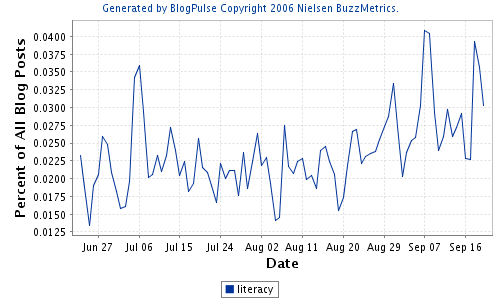
The UNESCO-White House Global Literacy Conference obtained some visibilility in cyberspace for the need to teach everyone to read and write. While the word turns up occassionally on blogs anyway, the run up to the Conference and September 18 saw peaks in interest in "literacy" that I would attribute to the Conference itself. Some examples:
* Republican National Convention Blog 2004 (published the President's and First Lady's remarks in full).

* The International Reading Association ("Bush: Ending global illiteracy a U.S. duty").

*
BloggingStock (Posting on the First Lady ringing the Wall Street Bell, mentioned she was in New York attending a conference on global literacy).

* LawInfo.Com (mentions that First lady Laura Bush was in New York for an international literacy conference).

* SocioLingos Africa Blog (a blogger from Mali provides a long posting on the Conference.)
Even those who usually use their blogs for Bush-bashing seemed to see his support for the global literacy campaign to be a good thing, worthy of praise.

Comment: Of course, most people who learned of the conference did so from the press, which covered it extensively. (Google News cites 495 articles in response to "Global Literacy Conference.) Many more people took notice of the postings on the websites of UNESCO, the White House, the State Department, and the Department of Education. Still, many people surf the blogosphere, and the cause of literacy needs every bit of support it can get!

Wednesday, September 20, 2006

Check Out The September 2006 Issue of UNESCO-Courier !

Taylor Hooton ©UNESCO/ D. Hooton

Each month, The UNESCO Courier online magazine gives voice to articles from around the world dealing with a specific topic related to UNESCO’s concerns.

This month’s thematic dossier “Winning at Any Cost?” examines sports and raises interesting questions about the many scandals that surround today’s successful athletes. The pressure to be the best may push athletes to resort to performance enhancing drugs. Worse, it may also cost them their lives, as it was the case with 17 year-old baseball player Taylor Hooton of Texas.
Suscribe Now!

Related
UNESCO and Anti-Doping

UNESCO demands explanation for construction projects near Iranian World Heritage Site

Bisotun ©UNESCO/ Babak Sedighi

The UNESCO World Heritage Center has recently sent a letter to Iran’s Cultural Heritage and Tourism Organization, demanding an explanation for the establishment of the industrial town of Hersin in the territory of the Bisotun ancient site, the Persian service of CHN reported on August 26th, 2006.

Every new construction and every major change in the territory must be approved by the World Heritage Center beforehand. However, the construction of Hersin was approved by the Planning Council of Kermanshah Province last year and 30 hectares of the region have been purchased from the villagers...

We welcome your reactions to the eventual establishment of industrial towns in the vicinity of Cultural Preservation Sites!

Tuesday, September 19, 2006

On Islamic Feminism

Those who were lucky to attend the 2-day Colloquium held yesterday and today at UNESCO Paris Headquarters have now a better understanding of what Islamic Feminism means.

Islamic feminism refers to a discourse of educated urban women (and a few men) who re-read the Qur’an and early Islamic history to recuperate their religion from patriarchal and violent interpretations, to make the case for women’s participation and rights in a religious idiom, and to give theological legitimacy to the movement for women’s rights in the Muslim world. Islamic feminists claim the right to ijtihad along with the right to take part in prayers and even to lead prayers.

Along with Islamic feminists, many Muslim scholars are engaged in a kind of religious reformation, some of which is Quran-centered and some of which addresses issues such as Islam and democracy, Islam and human rights, and Islam, science, and philosophy. Thus Islamic feminism has arisen on the cusp of this new alternative formulation and religious reformation.

The emergence of such movement among other women’s movements raised the issue of the right to ijtehad (independent reasoning, religious interpretation), and the right of women to reinterpret Islamic law. Many Muslims are now searching for alternative ways to live their lives and organize their societies without compromising either their religious identity or their human rights.

Islamic feminism has become the guiding philosophy of women’s movements such as the Malaysian women’s group Sisters in Islam and the Nigerian women’s group Baobob, both of which are affiliated with the transnational feminist network Women Living Under Muslim Laws and work for gender equality and development.

The First International Congress on Islamic Feminism was organized in Barcelona, 27-29 October 2005, by the Junta Islamica Catalan with the support of the UNESCO Catalan Center in Barcelona. It brought together many women and men, scholars and activists from the Muslim countries and communities. Following-up on the past event’s success, UNESCO and the Commission Islam et Laïcité, have co-organized the 2006 seminar.

For a list of suggested readings on Islamic Feminism, please visit the event schedule

UNESCO and Preservation of World Heritage Sites in Lebanon

We previously reported on this blog about UNESCO's priority effort to help the Lebanese children traumatized by the recent fighting, and to revive and restore Lebanon's educational system. However, UNESCO's international responsibility extends to protecting the World's Heritage from the past, as well as protecting children. UNESCO Director-General Koïchiro Matsuura during the fighting launched an alert to protect heritage in the Middle East. He said, in part:
"My compassion goes first to the men, women and, especially, the children, who are experiencing the ordeal of fire, shelling and despair. Nevertheless, we must also think about our immense responsibility towards sites such as Tyre, Baalbek, Byblos, Anjar, the Holy Valley and the Forest of the Cedars of God, in Lebanon, and the Old City of Acre in Israel. All these names - names that stir the imagination - are symbols of the encounter of religions and cultures that are universally recognized as our common heritage.

"This is why - in keeping with The Hague Convention for the Protection of Cultural Property in the Event of Armed Conflict (1954), and by virtue of the Convention concerning the Protection of the World Cultural and Natural Heritage (1972), conventions of which both Israel and Lebanon are signatories - I solemnly request that all necessary measures be taken to safeguard and protect these cultural properties of inestimable value.
Of course, Lebanon and Israel hold a vastly disproportionate share of the World's Heritage. Fortunately, it appears that little lasting damage was done to the most important World Heritage sites. Still, given the demands on the resources of these nations to repair the damage done during the fighting, it will be important that the long term effort to protect the heritage from millennia past not be forgotten. USA Today this week reported that "Three UNESCO World Heritage sites in Lebanon need urgent repairs"

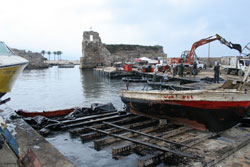
Oil Slick in the Old Port of Byblos ©UNESCO/Studionada

UNESCO recently sent a team of experts to Lebanon to assess the state of the places in that country that have been enrolled as UNESCO World Heritage Sites. At press conference on their return, they called for urgent measures to clean up the oil spill from the World Heritage edifices along the Byblos shore line. Despite the limited extent of war damage to cultural heritage, the mission found several areas that require attention to safeguard and revitalize that heritage. The mission noted that the souk and some old houses in the Old City of Baalbek, not part of the property inscribed on the World Heritage List, were damaged by bombs.

The Roman City of Baalbek ©UNESCO

Mr Bouchenaki,Director-General of the International Centre for the Study of the Preservation and Restoration of Cultural Property (ICCROM), outlined more longer-term measures to preserve Lebanon’s cultural heritage: Setting up photogrammetric equipment to monitor fissures in several sites; helping Lebanon’s Department of Antiquities develop its human resources to improve the safeguarding and management of cultural heritage sites; drawing up of a risk map identifying cultural properties with serious structural weaknesses; and undertaking measures to consolidate the most seriously threatened structures.

UNESCO’s Assistant Director-General for Culture stressed the importance of culture as a cement of social cohesion in Lebanon and spoke of the importance of cultural heritage as a symbol of the country’s diversity and tolerance.

UNESCO is preparing to send another, multidisciplinary mission to Lebanon to assess ways in which the Organization may contribute to reconstruction in culture, education, science and communication, in the framework of the United Nations’ plan for Lebanon.


Video of the Press Conference

Editors Note: The ruins of many successive civilizations are found at Byblos, one of the oldest Phoenician cities. Inhabited since Neolithic times, it has been closely linked to the legends and history of the Mediterranean region for thousands of years. Byblos is also directly associated with the history and diffusion of the Phoenician alphabet. Visit UNESCO's Bylbos World Heritage Site website.

Baalbek was a city in the time of the Phoenicians. It was known as Heliopolis during the Hellenistic period. During Roman times the city's sanctuary of the Heliopolitan Jupiter attracted thousands of pilgrims. Baalbek, with its colossal structures, is one of the finest examples of Imperial Roman architecture at its apogee. Visit UNESCO's Baalbek World Heritage Site website.

UNESCO hails White House Conference on Global Literacy a great success

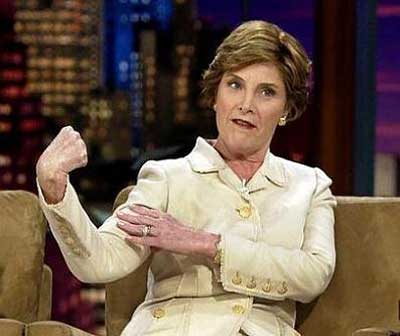
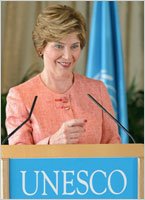
Mrs. Laura Bush and Mr. Koїchiro Matsuura ©Susan Sterner

Yesterday's Conference, which was being held on the sidelines of the U.N. General Assembly sessions this week, was attended by Pesident Bush, U.S Secretary of States Condoleeza Rice, Secretary of Education, Margaret Spellings, First Ladies, First Spouses and decision-makers from around the world.

Laura Bush, Honorary Ambassador for the United Nations Literacy Decade, contended that “ending illiteracy is a challenge for every country. And every government must do its part by investing in the education of its people”. “The investment”, the First Lady added "is always worthwhile, because investing in literacy and education helps governments meet their fundamental obligations, by improving opportunities for children and families, by strengthening their economies, and by keeping their citizens in good health.” The First Lady further stated that “countries prosper with an educated workforce”, and called governments and private sector organizations to allocate resources to literacy initiatives.

She announced a US$1 million contribution form the United States to support UNESCO's Literacy Assessment and Monitoring Program (LAMP)*. Spelling out the three most important benefits of reading: “Literacy instruction for women improves educational opportunities for their children -- women who can read are advocates for their children's education; literacy helps adults make informed decisions to protect their health and the health of their children; and literacy helps adults -- women and men -- learn the basic financial skills that generate income, that foster independence, and that boost local economies.", Mrs. Bush invited all governments to join.

President Bush backed his wife's speech and pointed out the impact that reading has on the positive transformation of nations. He defined literacy’s capacity to “yield the peace we all want”. To this end, not only did President Bush encourage governments to get involved in this cause, he also called upon businesses to engage in the global effort towards literacy whilst reminding that such initiatives “will help spread prosperity and peace”.

“It is very hard to have free societies if the citizens cannot read. It's much harder for a society to realize the universal blessings of liberty if your citizens can't read the newspaper in order to be able to make informed choices and decisions about what may be taking place in a country. You can't realize the blessings of liberty if you can't read a ballot, or if you can't read what others are saying about the future of your country.”

Welcoming the remarks made by Laura and George W. Bush, as well as the generous pledge to UNESCO LAMP, Mr. Matssura, director General of UNESCO, confirmed UNESCO’s commitment to providing “literacy to all as a basic human rights” and announced a series of Regional Literacy Conferences. These high-level conferences will aim at building cooperation and mobilizing resources for concrete interventions. The first of its kind will take place in Qatar March 12th-14th, 2007. Regional Conferences for Europe and Central Asia, Africa and Latin America will follow. As for the Asia-Pacific Region, a decision will soon be announced.

* Through LAMP, many countries are working to determine which people in their country cannot read, where people live who cannot read, and why people can't read.

Monday, September 18, 2006

The First Lady's Day -- Followed in part on the Internet

It takes a strong lady to do so much!
The White House schedule for Mrs. Bush's Week During the UN General Assembly

Laura Bush Hosting White House Literacy Conference (her initiative, cosponsored by UNESCO)

REMARKS BY FIRST LADY LAURA BUSH AT THE WHITE HOUSE CONFERENCE ON GLOBAL LITERACY

Secretary Spellings Delivered Remarks at the White House Conference on Global Literacy

Greta Van Susteren and her crew meet the first lady and her staff at 7:30 a.m. at the New York Public Library. For the next three days the Fox News crew is shadowing the first lady in NYC with its cameras and we will also have a sit down interview with her.

Oh, and incidentally, the first lady‘s speech on Wednesday (as a keynote speaker opening the three-day Clinton Global Initiative -- that is Bill, not Hillary) will cover topics such as literacy and education, AIDS and women‘s rights that she has highlighted in her travels.

Pitt Jazz Teams With UNESCO's International Music Council to mark celebrations of Black Writers and Artists

Benny Golson© lbbob Music Inc.

In conjunction with the 50th Anniversary of the 1st International Congress of Black Writers and Artists, The University of Pittsburgh and the International Music Council (IMC) of UNESCO will host an event Sept. 21-22 at the University of Paris-La Sorbonne that will include a concert, roundtable discussion, and master classes by legendary jazz artists for students from around the world.

Pitt Professor Nathan Davis, head of Pitt's Jazz Studies Program, will moderate a roundtable discussion Sept. 21 titled "Jazz: From Its Humble Beginnings on the Plantation in the U.S. to a World Music".

"It is very gratifying to see the legacy of the Pitt Jazz Seminar and Concert extend to Paris," said Pitt Provost James V. Maher. "We strongly believe the University of Pittsburgh is helping to carry out UNESCO's vision of a genuine dialogue based on respect for shared values and individual cultures. The sounds of jazz, born in the United States, have become part of this international language."

"Our plan is to bring more partners to the strengthening of the Pitt Jazz Seminar Outreach Program as an incubator for artistic creativity, a forum for reflection on music in society, and a cultural event that broadens people's participation in a diverse musical life," added the event's executive director, Damien Pwono.

Fore more information on the event, please refer to our posting: "Commemorating the 50th Anniversary of the 1st International Congress of Black Writers and Artists"

UNESCO-Nairobi 2006 Publications on Education Now Available


Education Clearing House


"Impact of Free Primary Education on Early Childhood Development in Kenya"

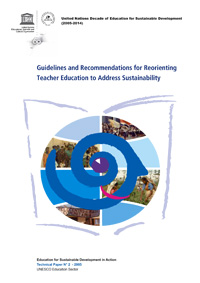
Teacher education guidelines for education for sustainable development

Study of higher education's response to HIV and AIDS

Handbook for literacy and non-formal education facilitators in Africa

Understanding gender inequalities in Kenya

Scaling up good practices in girls education

Related
Our posting: "UNESCO-Nairobi New Science and Technology Publications for 2006"

Saturday, September 16, 2006

"Uzbekistan: Protest Over Award for Leader"

Read the full story by ILAN GREENBERG in the New York Times Asia Pacific editions published on September 14, 2006. It notes:
"Unesco has infuriated human rights organizations by awarding a medal to the widely criticized leader of Uzbekistan, Islam Karimov......

The award was for Uzbekistan’s contribution to preserving World Heritage sites, said Suzanne Bilello, a Unesco spokeswoman in New York."
Reporters Without Borders provides the following information:
UNESCO today explained that the medal was just a matter of protocol and in no way represented any recognition of President Karimov’s activities.

But Karimov’s office said in a statement that he was given the medal for strengthening friendship and cooperation between the nations, development of cultural and religious dialogue, and supporting cultural diversity. The statement has been picked up by the Uzbek press.

Expressing its surprise, Reporters Without Borders said: “Islam Karimov is one of the world’s worst press freedom predators, and the systematic repression of Uzbekistan’s independent media has been stepped up ever since the May 2005 uprising in Andijan.”
According to Wikipedia, Karimov was an
official in the Communist Party of the USSR. He came to power as the party's First Secretary in Uzbekistan in 1989. On March 24, 1990 Karimov became President of the Uzbek Soviet Socialist Republic.
He has remained President of Uzbekistan ever since. Wikipedia also notes:
The international community has repeatedly criticized the Karimov administration's record on human rights and press freedom. In particular, former British Ambassador in Uzbekistan Craig Murray pointed to reports of boiling people to death. The United Nations found torture "institutionalized, systematic, and rampant" in Uzbekistan's justice system.
President Karimov has become even more controversial since the suppression of the Andijon uprising. The International Crisis Group reported:
On 13-14 May 2005, the government of Uzbekistan brutally suppressed a popular uprising in the eastern city of Andijon and the surrounding area. President Islam Karimov announced his forces had acted to end a revolt by Islamist extremists, yet the hundreds of victims -- possibly as many as 750 -- were mostly unarmed civilians, including many children.
The State Department states:
A year after the tragic events in Andijon, the Government of Uzbekistan still owes the victims and their survivors a full accounting of what took place.

Bukara, © UNESCO

Uzbekistan's World Heritage Sites

Uzbekistan holds four World Heritage sites:
* Itchan Kala (1990)
* The Historic Centre of Bukhara (1993)
* The Historic Centre of Shakhrisyabz (2000)
* Samarkand – Crossroads of Cultures (2001)
The United States and Uzbekistan

In 2005, Uzbekistan evicted the United States from a military base that was described by The Washington Post as having "served as a hub for combat and humanitarian missions to Afghanistan since shortly after the attacks of Sept. 11, 2001."

Currently diplomatic relations continue, but the State Department notes:
The tumultuous events in Andijan in 2005 and the subsequent U.S. condemnation of President Karimov’s actions render the future relationship between the nations uncertain. In June 2005, Karimov refused U.S. demands for a formal investigation of the Andijan massacre, exacerbating the divide between the two nations. To maintain strong relations, the United States urges greater reform in Uzbekistan to promote long-term stability and prosperity.
The United States continues to provide financial assistance to Uzbekistan (See the USAID Uzbek website).

Editorial Comment: It is especially unfortunate that UNESCO, which is charged with a key role in the U.N. system for the protection of freedom of expression, should have given President Karimov such a medal. On the other hand, Uzbekistan is a member state of UNESCO, and the Director General has a reponsibility to act diplomatically with heads of state of member nations. I certainly see value in the Director General of UNESCO taking advantage of his trip to Central Asia to bring attention to the world heritage sites along the Silk Road (and thus to encourage their continued protection and maintenance.) Certainly it is hard to see how the U.S. government, which itself not only maintains diplomatic relations with Uzbakistan but also provides the country with financial assistance, is in a possition to criticize UNESCO for this incident.

SangSaeng Issue on "Islam : In a Changing World"

The current issue of SangSaeng is most topical, as it deals with Islam in a Changing World. The focus articles are:
* Muslims in the West Choose Between Isolationism and Participation
* Islam and Women's Sports
* Islam's Encounter with Other Religions in Asia
* Korea and Islam : 1,000 Years of Interaction
SangSaeng, a korean word with Chinese roots is composed of two parts: meaning mutual (each other) life. In combination, it means living together, helping each other. The publication aims to be a forum for the Asia-Pacific region for constructive discussion of issues, methods and experiences in the area of peace education.

SangSaeng is published three times a year by the Asia-Pacific Center of Education for international Understanding (APCEIU). APCEIU was established in 2000 by the agreement between UNESCO and the Government of the Republic of Korea.

Friday, September 15, 2006

Commemorating the 50th Anniversary of the 1st International Congress of Black Writers and Artists

The 2006 commemorative event is jointly initiated, planned and sponsored by Wole Soyinka, a Goodwill Ambassador to UNESCO , Laureate of the Nobel Prize in Literature and President of the African Community of Culture, and Henry Louis Gates, Jr, director of the W.E.B. Du Bois Institute for African and African American Research at Harvard University. The celebrations will take place September 19th-22nd at the Sorbonne University and UNESCO headquarters in Paris, France.

The symposium will feature personalities including Richard Wright, Aime Cesaire, and professors of African and African American Studies at prestigious US universities. They will discuss and compare approaches to the cultural and political expressions of contemporary Black writers and artists. The congress will address the question of the relevance of culture in the context of globalization and the development of racialized conflicts.

With its patronage, UNESCO is officially bringing its technical and financial support for this event mainly through the Division of Cultural Policies and Intercultural Dialogue and the Africa Department.

Event Schedule
Registration Form

Poster of the Congress© Succession Picasso 2006

Sunday, September 10, 2006

UNESCO will assist the Lebanon

Read the full release describing the assistance.

"UNESCO will assist the Lebanese government by providing support for vocational education, children and youth traumatized by recent events, and helping to preserve the country’s rich cultural heritage. These areas of immediate assistance, which will be part of the government’s early recovery efforts, were identified during a UNESCO mission to Lebanon last week led by the Director of the Organization’s Beirut Office, Abdel Moneim Osman. The mission met with Prime Minister Fouad Siniora, Culture Minister Tarek Mitri and Education Minister Khaled Kabbani.Damaged_school_Bint_Jbeil.jpg “UNESCO will spare no effort in extending its expertise to Lebanon,” said UNESCO Director-General Koïchiro Matsuura. “Sadly,” he added, “events over recent decades have provided the Organization with all too many occasions to work on post-conflict reconstruction. But this means Lebanon can draw on this experience – not only in the first early recovery phase, but also in later full-scale reconstruction.”

A Lebanese schoolhouse after the attack
Photo by UNESCO

Friday, September 08, 2006

Happy Literacy Day!

As mentioned in our previous posting, September 8th is the International Literacy Day. This year’s theme is Literacy Sustains Development as "literacy is an indispensable means for effective social and economic participation, contributing to human development and poverty reduction".

In observance of the Literacy Day, a large number of Book Festivals and library events are held or scheduled for the coming days across the USA and the world. The US 2006 National Book Festival, for one, will be held on September 30. The event is organized and sponsored by the Library of Congress and hosted by Laura Bush. It is free and open to the public and features more than 70 award-winning authors, illustrators and poets appearing in "Fiction & Fantasy," "Mysteries & Thrillers," "History & Biography," "Children," "Teens & Children," "Poetry," and "Home & Family" pavilions. Browse this Web site to learn about the authors who will be appearing throughout the day in the pavilions and signing their books. >> More

UNESCO’s Literacy Initiative for Empowerment (LIFE) seeks to help reduce by half the rate of adult illiteracy in the world by 2015. As a global strategy to raise awareness on the importance of literacy, LIFE operations are country-led, respond to country-specific needs and priorities, and correspond to national capacities. Literacy projects in Cuba, Morocco, Pakistan, Rajastan (India) and Turkey are the winners of the five UNESCO 2006 Literacy prizes. A project in China was also awarded an Honourable Mention. >> More

Related
Book Fairs and other Literary Events throughout the USA

Thursday, September 07, 2006

The White House Conference on Global Literacy

First lady Laura Bush,
honorary ambassador for the
United Nations Literacy Decade,
will host the Conference.
Photo: State Department(© AP Images)
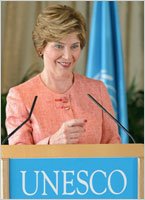

The White House Conference on Global Literacy is to take place in New York City on September 18, 2006. Invitations to the literacy conference targeted first ladies, first spouses and ministers of education from countries with large populations or high illiteracy rates. According to U.S. officials, to date, roughly 25 first ladies and 40 ministers of education have responded that they will attend.

Officials from the White House and the U.S. State Department met yesterday with staff members from embassies around the world to discuss the upcoming White House Conference. At the informal briefing, Anita McBride, chief of staff to first lady Laura Bush, welcomed the officials and told them the first lady takes her role of honorary ambassador for the United Nations Literacy Decade “very, very seriously” and wants to make a contribution by hosting a major event to highlight successful literacy programs from around the world.

The conference will be delivered in seven languages and will include a luncheon at which attendees can share their reactions and ideas. It will include three panels that will present nine literacy programs from nine countries. The first panel will cover mother-child literacy and intergenerational learning and will be moderated by U.S. Department of Education Secretary Margaret Spellings. The second will discuss the positive effects literacy has on health and will be moderated by Randall Tobias, director of foreign assistance and administrator of the U.S. Agency for International Development. The third will discuss the role literacy plays in achieving economic self-sufficiency and will be moderated by Gerri Elliott, vice-president of Microsoft Corporation. Click here to download a PDF document containing a factsheet on the conference.

UNESCO reports that "the Conference will enlist the participation of the Director-General of UNESCO, Koïchiro Matsuura. UNESCO, as the lead agency for the Literacy Decade, will also provide technical assistance in identifying good literacy practices as well as the key characteristics of effective literacy programs." UNESCO is a consponsor of the Conference with various U.S. government agencies.

Mrs. Bush announced the Conference at an event in April that coincided with the annual celebration of UNESCO's Education for All (EFA) Week. Her remarks on that occassion are worthy of your attention, as the following excerpt demonstrates:
Training more teachers is vital to UNESCO's goal of making sure every child has access to a basic, quality education by 2015. This is important for every country, but especially for developing countries, where limited resources often mean that the neediest children are not educated. We have to make sure that all children -- boys and girls, rich and poor -- have access to a good education.

One of the best ways we can improve educational opportunities for all is by spreading literacy. And one of the most important reasons every child should have a teacher is so that every child can learn to read.

There's no such thing as a quality, basic education for a person who cannot read or write. Reading is the bedrock on which the entire mind is built -- one book, one essay, one instruction manual at a time. And reading doesn't just allow people to enjoy literary treasures. It allows them to become entrepreneurs, or engineers, or lawmakers, or doctors. In villages around the world, mothers who read can then teach their children how to read. Literate mothers can also participate in their economies, and they can earn a living for themselves and their families. So widespread literacy isn't a luxury for healthy societies -- it's a basic requirement.

Across the globe, more than 800 million people are illiterate. Eighty-five percent of them live in just 34 countries, concentrated in regions affected by poverty. And more than two-thirds of the 771 million adults who cannot read a simple book, or write a basic sentence, are women.

I've visited many countries around the world, and I've seen how efforts to expand literacy are improving lives, especially for women and girls.

Literacy Day
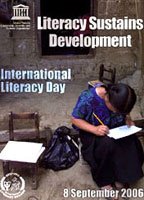
It is especially fitting that we are able to announce this meeting now, since tomorrow, September 8, has been designated by the United Nations as Literacy Day! The United Nations reports:
Literacy is a cause for celebration since there are now close to four billion literate people in the world. However, literacy for all – children, youth and adults - is still an unaccomplished goal and an ever moving target. A combination of ambitious goals, insufficient and parallel efforts, inadequate resources and strategies, and continued underestimation of the magnitude and complexity of the task accounts for this unmet goal. Lessons learnt over recent decades show that meeting the goal of universal literacy calls not only for more effective efforts but also for renewed political will and for doing things differently at all levels - locally, nationally and internationally.

The Literacy Day website has a large number of useful Internet links for those interested in the promotion of literacy. UNESCO also has created a website relating the organization's Literacy Day activities.

Monday, September 04, 2006

Ambassador Oliver on "UNESCO and Culture"


On May 24 at the University of Southern California School of Cinema-Television, Ambassador Louise Oliver, this country's Ambassador to UNESCO, gave an address on the topic:
American Culture in the age of Globalization
The address was made to the President’s Committee on the Arts and Humanities, as well as representatives from the American Film Institute, the Academy of Television Arts and Sciences, the City of Los Angeles Department of Cultural Affairs, and the Western States Arts Federation. They were made in the context of a conference, entitled "A Symposium on Film, Television, Digital Media and Popular Culture," and addressed achievements and future opportunities for cooperation in these respective fields. Ambassador Oliver commented on the current age of globalization and how it has affected the popular culture industry. She suggested that in this day and age, film, television, and other forms of digital media have the ability to affect perceptions of culture. They can influence the way people view their own culture and that of others. Cooperation through popular culture creates a foundation for further global collaboration in other areas of interest.

Click here to read Ambassador Oliver’s remarks in full.

Reel Intercultural Dialog


Reel Intercultural Dialogue is a series of five short fiction films supported by UNESCO and made by students from India, Israel, Mexico, Romania and Burkina Faso. The project, launched in 2003, is a series of independent fiction films without dialogues. They deliver the young filmmakers' vision of humanity in peace and harmony and are dedicated to the international community. The films were created with the intention of increasing intercultural understanding and sensitising young people to tolerance, dialogue and peace. Such messages were delivered in very different and interesting ways depending on the diverse cultural backgrounds of the selected countries.

You can view the films through the Reel Intercultural Dialogue website.

ICTs for Intercultural Dialogue: Developing communication capacities of indigenous peoples (ICT4ID)


Lizzie at work
Originally uploaded by Tim in Mexico.
In a health center in Patzun, Guatemala, a woman in traditonal dress and a foreign worker use the computer.


This cross-cutting UNESCO program seeks to preserving indigenous peoples’ cultural resources by fostering access to ICT. Thus it seeks to narrow the digital divide by making the technology more relevant and useful to people who are characterized especially by their lack of adaptation of foreign ways and technologies. The project waa launched as a direct result of the International Forum on Local Cultural Expression and Communication held with UNESCO support in Santo Domingo, Dominican Republic on 3-6 November 2003.

"The Heart of the Cheetah: Biography, Identity and Social Change in North-western Namibia" is another effort related to this program. It is an ethnographic collaboration between filmmaker, anthropologist and translator, which aims to make visible the often unacknowledged life-story of the translator whose particular positioning as ‘cultural broker’ between ethnographers and indigenous communities is unmapped.

International Journal on Multicultural Societies

The International Journal on Multicultural Societies (IJMS) is a scholarly and professional journal, published by UNESCO. It provides a platform for international, interdisciplinary and policy-related social science research in the fields of migration, multiculturalism, and minority rights. Established by UNESCO's social sciences research and policy division in 1998, it aims at improving the linkages between academic communities in various regions and across different social science disciplines. One of its particular features is to promote the policy-relevance of social science research. Each issue is devoted to a coherent thematic debate on a key issue in the field of migration and multiculturalism. All articles published in the IJMS are refereed in external peer-review.

Tuesday, August 29, 2006

UNESCO’s International Olympiads Series


Related to the eigth International Science Olympiads(*) organized under the auspices of UNESCO, the 14th International Philosophy Olympiad (IPO 2006) was held last May in Cosenza, Italy.

The IPOs are organized every year in May, by one of the participating countries. They were initially proposed by UNESCO within the organization’s project on “Philosophy and Democracy in the World”, to promote national and international competitions with the aim of “encouraging the practice of philosophical, critical thinking and stimulating, through competition, the interest of young people in philosophy”. They are open to high-school pupils from every country in the world.

Each country can participate with one or two pupils, with the exception of the host country which may participate with a maximum of 10 pupils.
Even though the U.S. hosted the 9th Olympiad ( IPO 2001) in Philadelphia, PA, we regret to note that the U.S. does not seem to continue to be involved any longer.

Along the lines of the IPO, the 4th International Linguistics Olympiad for Secondary School Students took place from August 1st – 6th, , 2006 at the University of Tartu, Estonia.
The International Linguistic Olympiad (ILO) is the youngest one in the group of science olympiads. The setup is somewhat different from the other science olympiads, as both individual and team contests are on the program.

The idea of holding an International Olympiad stems from a long tradition of Linguistics and Mathematics Olympiads organised in Moscow and St. Petersburg, Russia. This olympiad furthers the field of mathematical and theoretical linguistics. Like all science olympiads, its problems are translated and completed in several languages and as such must be written to be free of any native language constraints.

Related Readings
* International Philosophy Olympiad website
* International Linguistic Olympiad
* Our posting on "The US Wins Gold and Silver Medals at the IOI"

(*) Informatics IOI, Mathematics IMO , Physics IPhO, Chemistry IChO, Biology IBO, Astronomy IAO, Geography IGEO, and The International Linguistic Olympiad ILO. All them, are for young students, High School Students, less than 20 years old.
© Logo: Tartu Ulikool

"Using ICT to Develop Literacy"


This new UNESCO publication, entitled "Using ICT to Develop Literacy," provides a concise overview of how ICT can be used to improve literacy education. The publication, was produced by UNESCO's office in Bangkok with the support of Japanese Funds-in-Trust. It discusses five areas in which ICT can be utilized in literacy education (enhancing learning; raising access to literacy education; training of teachers; localizing content; and creating a literacy-conducive environment). It also provides examples of projects in which ICT has been utilized effectively to improve literacy education. The booklet concludes with recommendations for policy makers regarding the use of ICT in literacy campaigns.

Click here to download the PDF file containing the booklet.

Using ICT to Develop Literacy, Editor-in-Chief: Cedric Wachholz, Editor: Ellie Meleisea. Bangkok: UNESCO, 2006. 60p. ISBN 92-9223-088-3

Monday, August 28, 2006

UNESCO co-sponsoring World Conference on Distance Education

The 22nd world Conference on Distance Education is only a couple of days away. The event, co-sponsored by UNESCO, will take place September 3rd-6th in Rio de Janeiro, Brazil. The purpose of the conference is to gather professionals, the general public, and the corporate sector around the theme of “Promoting Quality in On-Line, Flexible and Distance Education” from elementary to university level. Participants from around the world are expected to present and discuss the current distance education initiatives.
Related
UNESCO, Education, and Information and Communication Technologies (ICTs)

Saturday, August 26, 2006

UNESCO's follow-up to WSIS

The World Summit on the Information Society (WSIS) was one of the most important U.N. events in the last decade. It was organized by UNESCO and the International Telecommunications Union, and represented an important acknowledgement by the international community of the critical changes that are taking place with the Information Revolution. It set an international agenda of actions to help assure that progress toward the global information society is rapid and equitable.

UNESCO works with all stakeholders towards the implementation of the outcomes of WSIS, which involved major conferences in Geneva in 2003 and and Tunis in 2005, as well as many preparatory activities. UNESCO's role in the implementation process is three-fold:
* UNESCO implements concrete activities included in the Geneva Plan of Action within the framework of its regularprograme and budget.

* UNESCO helps facilitating the coherent implementation of the Action Lines in its areas of competence.

* UNESCO, together with ITU and UNDP, is engaged in shaping the overall multi-stakeholder coordination of the Facilitators of all Action Lines.
The next in a series of meetings at UNESCO's office in Paris relating to WSIS will be in October:
* 16 October 2006, "Access to information and knowledge"

* 17 October 2006, "Ethical dimension of the Information Society"

* 18 October 2006, "E-learning"

* 19 October 2006, "Media"

There will is also to be a meeting on 22 October 2006, at the Huarun Hotel, Beijing, China on "E-science"

All participants have to register online in order to obtain their badges to allow access to the meeting rooms.

Click here to go to the website devoted to UNESCO's activities implementing the plan of action developed at WSIS.

Tuesday, August 22, 2006

UNESCO and the College Art Association: A Natural Partnership

Dick Arndt and Andre Varchaver published this article a couple of years ago, encouraging the participation of CAA members in Americans for UNESCO. It remains equally valid today.
AU’s goal, in collaboration with the U.S. National Commission, is to make U.S. participation broad-based, vital, and better understood.........AU board member Frank Method recently put it this way: “The U.S. today has its second chance to become a part of UNESCO; it if fails, there will be no third.”

DISCOVERING THE WORLD

UNESCO has published the Discovering the World series as a collection of compact guides aimed at making subjects accessible for a young readership (from 10 years old onwards). They are perfect for students of school or college age who need to prepare a text or presentation on any one of these subjects. Parents and teachers will also find these little books an interesting read. Many are in English, and some are in foreign languages (and they might be especially useful for those studying those languages, since they should have relatively simple vocabulary and sentence structure),

Here are some of the titles:

"Tell me about UNESCO"
All about UNESCO for the young (10-12 years old): its history, functioning, ideals, programmes and buildings. A clear and well-documented overview of the Organization working towards a better understanding of tolerance.

"Tell me about World Heritage"
This compact guide promotes the understanding of what it means to be included on the World Heritage List. Written in an accessible way and illustrated with many examples, the book touches on the meaning of heritage, the World Heritage Convention, the criteria for choosing sites and their protection. In short, information and projects that bring alive the meaning of heritage for a young audience.

"Cultures and Civilizations"
The history of humankind, its cultures and civilizations, is inextricably linked with the development of trade. Cities grew up around the markets and empires were built on the wealth that trade created. Across Asia, the paths of the Silk and Spice Routes brought together many different peoples, fostering the exchange of ideas, lifestyles, arts and goods. This book explores exciting aspects of intercultural relations brought about by the thriving trade along the Silk and Spice Routes.

"Inventions and Trade"
Over the centuries, the exchange of technologies -from the horse's bit and the wheel to the microchip and the computer- hasinspired new developments and improvements. It is through trade that much of this exchange has taken place. This book explains how the Silk and Spice Routes across Asia played an important role in bringing together different peoples and ideas that favoured new technologies and inventions in many fields: health and medicine, alchemy and chemistry, astronomy, mathematics, spinning and weaving. glass and ceramics, metalwork and agriculture, to mention just a few.

"Exploration by Land"
A fascinating account of the life and adventures, the discoveries and explorations of travellers along the Silk Routes, stretching over 8,000 kilometres through the heart of Asia, from the Mediterranean to the China Sea. They crossed some of the most spectacular and dangerous places on Earth: the Pamir Mountains, the Hindu Kush and the notorius Taklamakan desert whose shifting sands have been known to swallow up great cities.

"Exploration by Sea"
An exciting description of the adventures and discoveries of travellers along the Spice Routes, which stretched for over 15,000 kilometres around Asia, from China's seas, across the Indian Ocean up the Red Sea and the Persian Gulf and overland to the Mediterranean. A dangerous route, full of treacherous coral reefs, violent storms and unexpected pirate attack, which nevertheless tempted many sailors and adventurers seeking trade or treasure over the ages.

The History of the Civilizations of Central Asia


UNESCO plays a valuable role in promoting and publishing serious historical studies. Click here to see a list of available historical publications from UNESCO Publishing. Especially noteworthy is the series on Civilizations of Central Asia, since this is an area of considerable current and historical interest, about which relatively little has been written.

Readers will discover through this six-volume work cultures that flourished and vanished from the dawn of civilization to the present time and how the history of the ancient and medieval world was shaped by the movements of peoples in this heartland of Eurasia, stretching from the Caspian Sea to the borders of China.
* Volume V: Development in Contrast: from the Sixteenth to the Mid-nineteenth Century
* Volume VI: Towards the Contemporary Period: From the Mid-nineteenth to the End of the Twentieth Century
* # Part One: The Historical, Social and Economic Setting
* Part Two: The Achievements
* Volume III: The Crossroads of Civilization: A.D. 250 to 750
* Volume II: The Development of Sedentary and Nomadic Civilizations: 700 B.C. to A.D. 250
* Volume I: The Dawn of Civilization: Earliest Times to 700 B.C.

UNESCO plans assistance in Lebanon's early recovery efforts

One week after a cease-fire between Israel and Hizbollah went into effect, four experts from the UN Educational, Scientific and Cultural Organization (UNESCO) arrived yesterday in Lebanon for a five-day mission to determine how the cultural agency can best help the country recover from the devastation caused by the conflict. UNESCO is also focusing on restoring the educational system and providing post-trauma support for schoolchildren and teachers.

The Lebanese government-led early recovery plan will be presented to an international donors’ conference for Lebanon in Sweden on 31 August.

UNESCO's Interreligious Dialogue

The main aim of this program, which is the flagship of UNESCO's effort to promote intercultural dialogue, is to promote dialogue between different religions and spiritual traditions in a world in which intra- and interreligious conflicts are on the increase due to ignorance or lack of understanding of the spiritual traditions and respective cultures of others.

The UNESCO program is complementary to the World Faiths Development Dialogue that was set up in 1998 as an initiative of James D. Wolfensohn, President of the World Bank and Lord Carey, then Archbishop of Canterbury. The aim of the WFDD is to facilitate a dialogue on poverty and development among people from different religions and between them and the international development institutions.

Check out:
* The Network of UNESCO Chairs on the Intercultural and Interreligious Dialogue
* UNESCO's Effort to Promote Intercultural Dialogue in Central Asia
* UNESCO's International Congress on Dialogue of Civilizations, Religions and Cultures in West Africa

Monday, August 21, 2006

UNESCO Calls Cities to Promote Common Struggle Against Racism

The International Coalition of Cities against Racism is an initiative launched by UNESCO in March 2004 to establish a network of cities interested in sharing experiences in order to improve their policies to fight racism, discrimination and xenophobia. Signatory cities are expected to integrate within their strategies and policies the Ten-point Commitment, and to commit to it the human, financial and material resources required for its effective implementation.

In order to take into account the specificities and priorities of each region of the world, regional Coalitions are being created with their respective programme of action (Africa, North America, Latin America and the Caribbean, Arab States, Asia-Pacific and Europe). Under the coordination of a “Lead City” which is to be identified, each regional coalition will have its own Action Plan.

The annual meeting of the European Coalition of Cities against Racism was held in Madrid in June 2006. The Coalition of Cities Against Racism and Discrimination in Asia and the Pacific was officially launched in Bangkok early August 2006. The official launching of the Latin American Coalition is scheduled for October 2006 and will take place in Montevideo. As for the African Coalition, it is to be launched in Nairobi in September 2006.

*Call for nominations for the UNESCO Prize on Human Rights Education. The deadline for submission of candidatures has been extended till 8 September 2006. >> More

Sunday, August 20, 2006

Missa Johnouchi Named UNESCO Artist for Peace

Renowned Japanese conductor and composer Missa Johnouchi, will be designated UNESCO Artist for Peace by UNESCO Director-General Koïchiro Matsuura at a ceremony at the Teikoku Hotel in Tokyo on 21 August 2006. In announcing the appointment, Mr Matsuura paid tribute to Ms Johnouchi’s achievements and “her interest in contributing to the Organization’s mission, and in particular to UNESCO’s programme on tangible and intangible cultural heritage.”

Ms Johnouchi will promote the importance of preserving cultural heritage through her concerts. She has also agreed to donate a percentage of her CD sales to UNESCO and she will be participating in the Commemorative project of the 1300th Anniversary of Nara Heijo-kyo, former capital of Japan, inscribed on UNESCO’s World Heritage, in 2010.

An Internationally recognized musician, Ms Johnouchi is best known in Japan as a composer of music for film and television. Her most popular works include titles such as “Canon,” and “Asian Blossoms.”

UNESCO Artists for Peace are internationally-renowned personalities who use their influence, charisma and prestige to help promote UNESCO’s message and programmes. UNESCO works with these distinguished personalities in order to heighten public awareness regarding key development issues and to inform the public of what the Organization’s action is in these fields.

Saturday, August 19, 2006

UNESCO's Actions Against Slavery

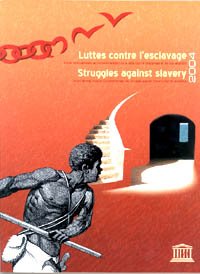
In observance of the 50th week (08/21-08/27) of UNESCO’s 60th anniversary celebrations, we have selected for you a set of links and events dedicated to the Struggle Against Slavery.

In order to encourage reflection, scientific and historical research and the dissemination of information on slavery and its consequences, UNESCO’s Culture and Education Sectors develop new initiatives to combat the lingering consequences of the slave trade and slavery such as discrimination and racism.

In 1993, UNESCO approved the implementation of the "Slave Route" Project before moving on with the publication of "From Chains to Bonds: the Slave Trade Revisited" (1998). The idea of a "Route" expresses the dynamics of the movement of peoples, civilizations and cultures, while that of "slave" addresses not only the universal phenomenon of slavery, but also in a more precise and explicit way the transatlantic slave trade in the Atlantic, and slave trade the Indian Ocean and the Mediterranean. >> More

The transatlantic slave trade is often regarded as the first system of globalization. Millions of Africans were torn from their homes, deported to the American continent and sold as slaves. Two outstanding decrees for abolition were produced during the nineteenth century: the Abolition Bill passed by the British Parliament in August 1833 and the French decree signed by the Provisional Government in April 1848. In the United States, Abraham Lincoln extended the abolition of slavery to the whole Union in the wake of the Civil War in 1865. The abolition of slavery became the 13th Amendment to the Constitution of the United States.

Yet, despite the abolition of slavery, modern forms of slavery persist . In the context of the "Project to Fight Human Trafficking in Africa", UNESCO aims to promote effective and culturally appropriate policy-making to combat the trafficking of women and children in Africa. Today various international conventions define slavery and human trafficking as a "crime against humanity" punishable by international law. See legal instruments.

Events
*
23 August: International Day for the Remembrance of the Slave Trade and its Abolition. The night of 22 to 23 August 1791 marks a crucial date in the abolition of the transatlantic slave trade. The Director-General of UNESCO invites the Ministers of Culture of all Member States to organize events every year on that date, involving the entire population of their country and in particular young people, educators, artists and intellectuals. >> More

*
19-22 September, 2006: 50th Anniversary of the 1st International Congress of Black Writers and Artists. Nobel Prize Laureate Wole Soyinka, a Goodwill Ambassador to UNESCO, President of the African Community of Culture and the W.E.B. Du Bois Institute for African and African American Research at Harvard University will celebrate the event at the Sorbonne University and the UNESCO Headquarters in Paris. UNESCO is officially bringing its technical and financial support for this event mainly through the Division of Cultural Policies and Intercultural Dialogue and the Africa Department. >> More

* UNESCO, in collaboration with the Schomburg Center for Research on Black Culture (New York), has set up the Traveling Exhibition "Lest We Forget: Triumph over Slavery".This exhibition focuses on the centrality of the slave trade in the making of the modern world.

Read more
* UNESCO Programmes around this project
* History of the Slave Trade
* The 2006 Slave Route Project Brochure

*
The Struggle Against Slavery Brochure

UNESCO Acting With and For Youth -- More information

In a belated bow to the United Nations' International Youth Day and UNESCO's week long celebration of its six decades of service to youth, we have added a Youth page to the Americans for UNESCO website.

In addition, here are some Youth oriented events, activities, and links:
· August 14-16, 2006 - XVI International AIDS Conference – Toronto, Canada. The Chasing the Dream online photo exhibit. This exhibit portrays the intersection of eight young people with Millennium Development Goals and will be on display at the XVI International AIDS Conference in Toronto, 14-16 August 2006. Link to: What Works in HIV Prevention: Engaging Young People

· Deadline: September 8th, 2006: UNICEF Voices of Youth Photo contest: Inspirational Women.

· May 1st-October 1st, 2006 2006 UNICEF/OneWorld Radio Prize contest. The theme for the 2006 contest is UNITE FOR CHILDREN. UNITE AGAINST AIDS. Entries should be about HIV and AIDS – prevention, education, the scope of the pandemic and youth action to address it. More Information on rules, regulations and entry forms

· 2007 G8 Youth Event in Germany

· September 2006- February 2007: Participate in a Kairos Future delfi survey on youth values and lifestyle! For more information, please visit

· Become a Youth Delegate to The United Nations

· More UN Youth Events

More on the UN and Youth:

· Download The MDGs Youth Action Guide on the Millennium Campaign Website

· UN Volunteers and the Millennium Development Goals.

Friday, August 18, 2006

UNESCO supports Libraries

UNESCO supports and promotes universal access to information and knowledge flows. Part of its many activities focuses on the strengthening of the institutional capacity of libraries as gateways to information. As such, UNESCO assists worldwide libraries to acquire new technologies and network resources through the UNESCO Network of Associated Libraries (UNAL). UNAL’s main objective is to encourage libraries that are open to the public to undertake activities in UNESCO’s fields such as the promotion of human rights and peace, cultural dialogue, protection of the environment, fight against illiteracy, etc. Over 500 libraries around the world are members of the Network, the Library of Congress being one of them.

UNESCO Libraries Portal currently contains over 14000 links to websites of libraries around the world, as well as to resources related to training, preservation and international co-operation in this area. A major part of this heritage is stored in libraries. The world’s documentary heritage constitutes a major part of mankind’s memory and reflects the diversity of peoples, languages and cultures. Through the Memory of the World Programme and other initiatives, UNESCO has played a leading role in preserving information and communication contents and in optimizing access to them. In particular, UNESCO encouraged the elaboration of strategies to facilitate the digitization of librarian collections; it also promoted and disseminated the International Charter for the Preservation of Digital Heritage adopted in October 2003.

From August 20th-24th, 2006, UNESCO will participate in the round-table on "Libraries: Dynamic Engines for the Knowledge and Information Society" organized by the International Federation of Library Associations and Institutions (IFLA) during its 72nd IFLA General Conference and Council to be held in Seoul, Korea. The IFLA meeting will have a UNESCO organized session on digital libraries which will include a presentation by the Library of Congress. >>More

Global Memory Net, an online image library and gateway to cultural, historical, and heritage images around the world, was launched earlier this month with a number of collections included in UNESCO’s Memory of the World Programme, and in the Library of Congress. The project was partially funded by the US National Science Foundation.>> More

Read more:
* UNESCO Libraries Portal
* Memory of the World - 8th meeting of the International Advisory Committee of the Memory of the World Programme, Pretoria, South Africa, 11-15 June 2007. >>More
* E-Heritage
* UNESCO Archives Portal
* UNESCO/IFLA MAnifesto
* World Book and Copyright Day
* Our previous postings "World Digital Library Planned: Library of Congress Envisions Collection To Bridge Cultures"

“What UNESCO for the Future”

The Forum of Reflexion “What UNESCO for the future?” was launched by the Social and Human Sciences Sector of UNESCO on 18 November 2004, on the occasion of the Third Philosophy Day. It continued throughout 2005 as a cycle of open debates whose main objective was to stimulate creative and audacious thinking on the future direction of UNESCO among Permanent Delegations, National Commissions and the Secretariat. In inviting thinkers, philosophers, political leaders and experts from diverse parts of the world, the Forum aimed above all to stimulate our common reflexion and to provide food for thought through insightful, out-of-the box perspectives.

This new publication presents the addresses given in the course of this forum by sixteen people:

* Jacques Attali
* Robert Badinter
* Boutros Boutros-Ghali
* Souleymane Bachir Diagne
* Fatma Haddad-Chamakh
* Ping Huang
* Albert Jacquard
* Randolph Kent
* Yersu Kim
* Achille Mbembé
* Edgar Morin
* Hisashi Owada
* Miguel Rojas-Mix
* Carolina Rossetti Gallardo
* Ghassan Salamé
* Tu Weiming

UNESCO SEAL of Excellence for Handicrafts Products

Second Santa Fe International Folk Art Market, 2005
Copyright: UNESCO


The products of craftspeople, such as pottery and textiles, are increasingly recognized as embodying the cultural heritage of their makers, and the best examples are strikingly beautiful. With the advent of the Internet and eCommerce, those products increasingly are finding a global market. The ability to sell their handicrafts to consumers in the United States and Europe via the Internet is enabling many craftspeople in the developing nations to escape from poverty. Now UNESCO is giving them a hand!

The UNESCO SEAL is a “stamp of approval” that guarantees that a handicraft product or product line meets the highest standards of quality and has been produced with careful regard to cultural authenticity and environmental conservation.

Originally piloted in Southeast Asia in 2000-2003 in cooperation with the ASEAN Handicraft Promotion and Development Association (AHPADA), the Seal of Excellence has succeeded in raising the standards of South-East craft products, as well as in improving their marketability. The Seal of Excellence has been awarded to more than 70 South East Asian handicraft products.

In 2005-2006, the SEAL program has expanded into Central Asia with the Central Asian Crafts Support Association (CACSA) and the World Crafts Council Asia-Pacific Region (WCCAPR).

During 2006-2007, UNESCO plans to extend the SEAL of Excellence to: West Africa, East Africa, North Africa/Arab States, Central America and the Caribbean, and Central Europe.

Thursday, August 17, 2006

Sixty States have already ratified the Convention for the Safeguarding of the Intangible Cultural Heritage

The Intergovernmental Committee for the Safeguarding of the Intangible Cultural Heritage session has been rescheduled for November 18th-19th, 2006. In preparation for this event, an extraordinary session of the General Assembly of the States Parties to the convention will be held on November 9th, 2006 at UNESCO Headquarters. Six additional members will then be elected to the Committee. Mr. Mohammed Bedjaoui (Algeria), President of the General Assembly of the States Parties, and Mr. O. Faruk Logoglu (Turkey), the Assembly Rapporteur, were elected during the first ordinary session in June 2006. Sixty states have already ratified the Convention for the Safeguarding of the Intangible Cultural Heritage. The Intergovernmental Committee will thus, as of its first session in Algiers on 18 and 19 November 2006, consist of the maximum number of members as stipulated by the Convention.


Read more on:
*The Convention for the Safeguarding of the Intangible Cultural Heritage, Speeches, Safeguarding, FAQ...
*The Intangible Cultural Heritage

© Photo: UNESCO/Michel Ravassard - Click here for full article